
Reviewed · ALPUJARRA VILLAGES DAY TRIPS FROM GRANADA
From Granada: Alpujarra Mountain Villages Tour
La Alpujarra is the kind of place that makes Granada feel like only the beginning. In one long day, you leave the city behind for whitewashed Mozarabic villages, high mountain roads, mineral springs, ham-curing shops, and views toward the Sierra Nevada.
I like two things especially here. First, the tour reaches villages that are awkward to connect by public transport, including Trevélez and Capileira. Second, the day mixes scenery with real local life: handmade carpets, mineral water, cured meats, cheese, and a traditional meal if you choose that option.
The trade-off is the road. This is a long day with many sharp bends, and some departures may run two hours beyond the advertised schedule. If you suffer from motion sickness, sit near the front and bring suitable medication.
Key points to know before booking
- Trevélez reaches almost 1,475 metres: This high village is known for its cured Iberian ham and cooler mountain air.
- Pampaneira gives you an hour to explore: Use it for a walk, local products, and views rather than rushing from shop to shop.
- The route includes Fuente Agria: At this mineral spring near Pórtugos, you can taste water famous for its strong mineral content.
- The optional lunch is worth serious consideration: It includes a traditional Alpujarran dish and drink, and gives the day a proper local-food finish.
- Expect a bilingual experience: Guides speak Spanish and English, but explanations may alternate between languages.
- The journey is scenic but twisty: The trip can involve hundreds of bends, so this is not ideal for anyone who dislikes mountain roads.
Why La Alpujarra makes a good day away from Granada
Granada gives you the Alhambra, the Albaicín, and a full schedule of monuments. La Alpujarra offers the opposite rhythm. You spend the day outside, moving through a long valley beneath the southern slopes of the Sierra Nevada, where small white houses cling to steep terrain.
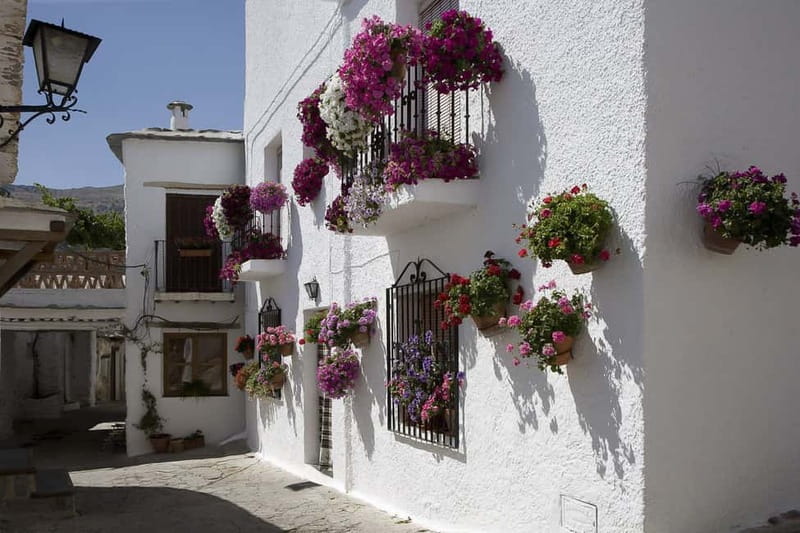
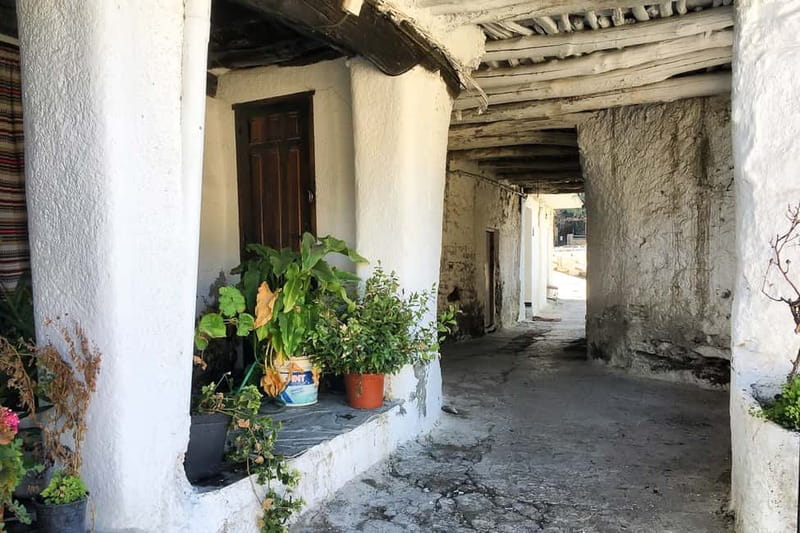
The villages are known for a distinct Mozarabic style. Flat or gently sloping roofs, narrow lanes, white walls, and local textiles give them a look quite different from the grander Andalusian towns. The charm is not based on one famous building. It comes from the whole setting: houses, ravines, terraces, springs, mountain air, and the way the villages fit the slopes.
I would choose this trip after a busy spell in Granada. It is a useful change of pace, especially during hot weather when the high villages can feel noticeably cooler than the city. The day also gives you a better sense of rural Andalusia than another museum or city walking tour can provide.
At about $80 per person, the value depends on what is included in your chosen option. Central hotel pickup, a guide, transport, the village visits, and food tastings make the price reasonable for a full day. Add the lunch if you want the easiest way to sample the local cooking without having to choose a restaurant yourself.
More Alpujarra village trips:
- From Granada: Alpujarra Villages Guided Day Tour
★ 4.8 · 217 reviews - Premium Scenic Daytrip to Alpujarra Villages from Granada (Max 8)
★ 4.5 · 156 reviews - Las Alpujarras Full-Day Tour with Optional Lunch from Granada
★ 4.5 · 133 reviews
Leaving Granada for Lanjarón
The pickup is arranged from several central Granada hotels, including Hotel Colón Centro, Meliá Granada, Hotel Granada Center, Barceló Granada Congress, Occidental Granada, Exe Triunfo Granada, TPV Granada 4U, and Calle Cárcel Baja. Check your exact pickup point carefully, because the service uses designated locations rather than every hotel in the city.
The first drive takes about an hour. This is not wasted time. The city gradually gives way to the foothills, and your guide begins explaining the area, its villages, farming traditions, and mountain geography. Guides have included Michael, Alexandra, Alfredo, Angela, José, and others, with the exact person depending on the departure.
Lanjarón is the first formal stop, usually about 30 minutes. The town is associated with mineral water and a historic spa founded in 1843. You should not expect a long guided visit here. Think of it as an introduction to the water culture of the Alpujarra and a chance to stretch your legs before the road becomes more winding.
Some departures also include brief stops at viewpoints, bridges, waterfalls, or small craft shops. These extras can vary, so treat them as a bonus rather than part of a fixed checklist.
Pampaneira and the white villages of the Poqueira Valley
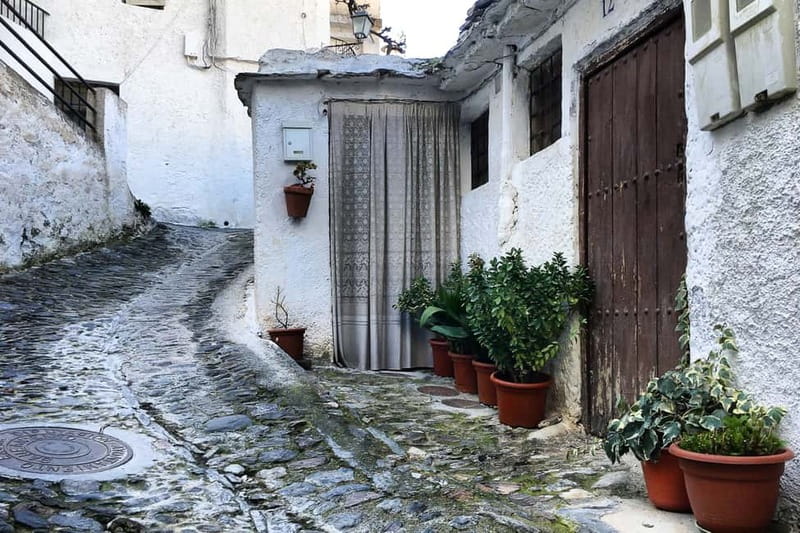
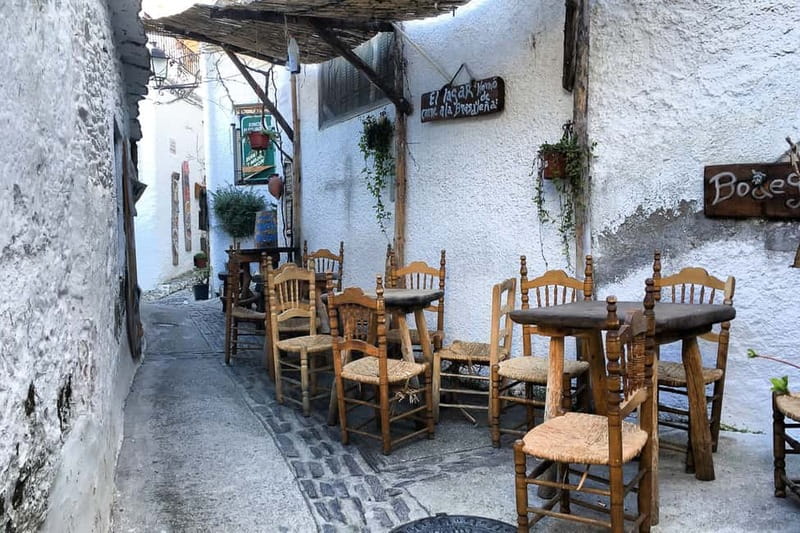
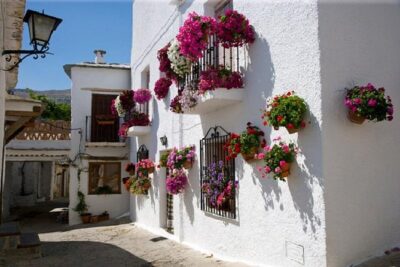
Pampaneira is one of the day’s main attractions, and you get about an hour of free time. That is just enough to walk its lanes, look at the white houses, browse local products, and take photographs without feeling hurried.
The village is part of the Poqueira Valley area, along with Bubión and Capileira. The setting is steep and dramatic, with houses built into the folds of the mountains. Look for the small details: covered passages, narrow streets, rooflines, woven goods, and the way the buildings seem to stack above one another.
The free time matters. A guide can explain the village, but you need a few quiet minutes to wander at your own pace. If you like handmade goods, watch for woven rugs and jarapas, colorful textiles traditionally made from recycled cloth. Other local crafts can include straw baskets and household pieces.
A practical note: this is not a flat town walk. You will encounter slopes and uneven streets, so comfortable shoes are sensible. The tour includes walking, but it is not built around strenuous hikes. The aim is to see the villages rather than trek through the mountains.
Pórtugos and the sharp taste of Fuente Agria
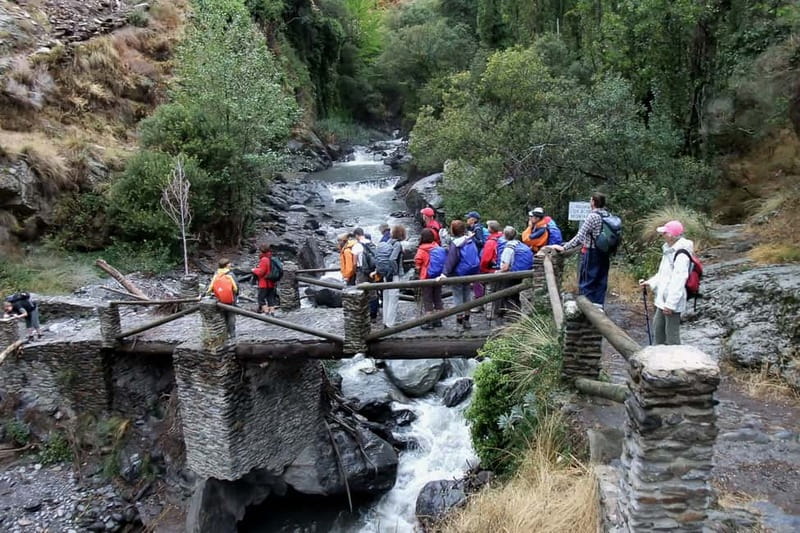
The stop at Fuente Agria near Pórtugos is one of the most unusual parts of the day. Clear mineral water flows from the Sierra Nevada, and the spring has long been used by local villagers for its mineral content.
You can taste the water, but prepare for a strong flavor. It is not the same as drinking ordinary bottled water, and the iron-rich taste may surprise you. The spring is valuable because it connects the tour to an everyday local tradition rather than presenting the region only as a scenic backdrop.
This is also a good place to appreciate the role of water in the Alpujarra. Springs, streams, and mountain runoff have shaped settlement here for centuries. The route shows you a region where water is part of the culture, the food production, the village names, and the reason people built communities in these high valleys.
A few more Granada tours and experiences worth a look
- Granada: Alhambra & Nasrid Palaces Tour with Tickets
★ 4.7 · 19,801 reviews - Granada: Alhambra & Generalife Fast-Track Guided Tour
★ 4.7 · 8,313 reviews - Granada: Alhambra & Gardens Tour w/Nasrid Palaces Option
★ 4.5 · 6,437 reviews - Granada: Alhambra Entry Ticket with Audio Guide
★ 4.1 · 5,950 reviews
Trevélez, high roads, and the ham tasting
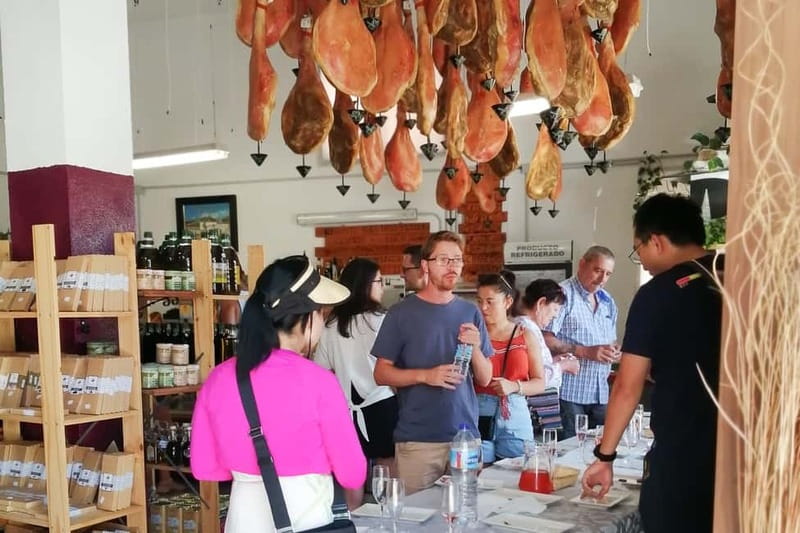
Trevélez is the highest village on the route and is widely described as Spain’s highest village, at nearly 1,475 metres. The altitude gives it a different feel from Lanjarón and Pampaneira. You may notice cooler air, stronger winds, and wide views over the surrounding mountains.
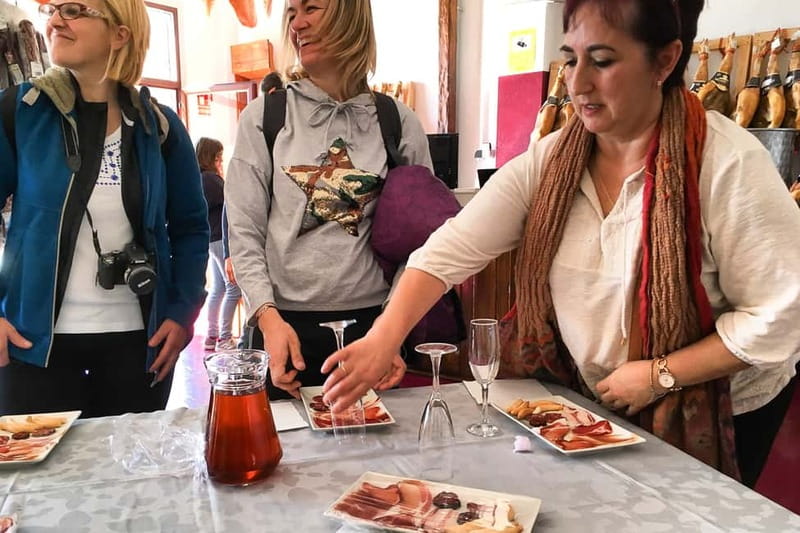
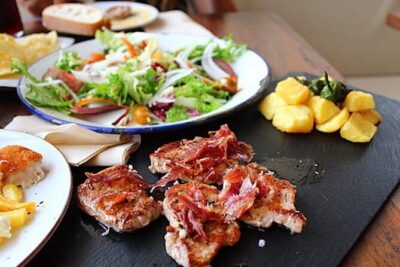
The village is best known for its cured Iberian ham. The climate and elevation make it a fitting place to learn about the drying process, and the tour includes a tasting of local products. Expect ham, sausage, cheese, and sometimes wine or other regional items depending on the stop.
I consider this tasting one of the better reasons to take the organized trip. You get an introduction to a local specialty without having to find a shop yourself, and the guide can explain what you are tasting. Several departures have included a stop at a local jamonería, where you can also buy products to take home.
There is no need to buy anything. The food stop is useful even if you only want to taste. If you do shop, remember that cured meat and cheese may need special handling during the rest of your holiday. The tour information does not promise shipping, so ask the shop directly if you are considering a larger purchase.
Trevélez also reveals one limitation of the schedule. A full day has to cover a large area, so you will not have time to explore every side street or smaller settlement. This tour is an overview of the Alpujarra, not a slow village stay.
Capileira and the final mountain views
Capileira is the final major stop and usually allows about an hour and a half for a break. It sits high above the Barranco del Poqueira and offers some of the day’s best views across the valley.
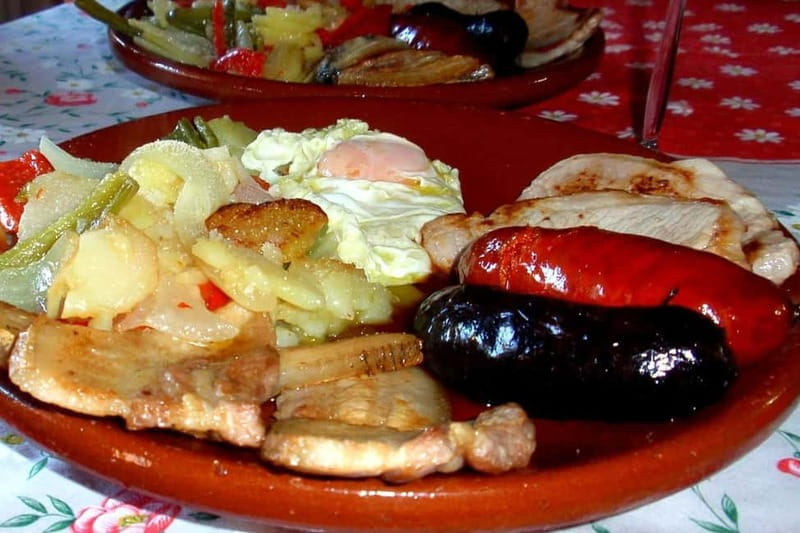
This is a good place to slow down. You can look back over the white villages, enjoy the mountain air, and have lunch if that option is included in your booking. The traditional meal is generally built around Alpujarran cooking, with local produce and a drink.
Food is a real part of the experience here, not just a convenient pause. The region is known for hearty mountain dishes, cured meats, cheese, and simple ingredients suited to life at altitude. A generous lunch can be especially welcome after the early start and several village walks.
Vegetarian food is possible, but you should mention your needs when booking or to the guide. One vegetarian participant received cheese, bread, and olive purée instead of the meat-based tapas. That suggests the team can adapt in some cases, but the standard food offering is strongly tied to pork and cured meat.
The lunch stop may feel long if you are not eating, particularly when some shops close in the middle of the day. If you choose the meal option, the time is easier to use. If you do not, bring patience and enjoy the scenery rather than expecting constant sightseeing.
Transport, group size, and the mountain roads
The advertised duration is eight to ten hours, but you should keep your evening flexible. The route is long, and the winding roads can make the return to Granada later than planned. One departure ran from roughly 8:30 in the morning until 6:30 in the evening.
Transport has generally been described as a comfortable minibus or coach, with private groups available. The exact vehicle can vary. Most of the time, a smaller vehicle suits this route better than a large bus because the roads are narrow and the group can move through villages more easily.
There has been at least one poor vehicle experience in cold, wet weather, involving drafts, condensation, and rain entering through a roof opening. That appears to have been an unusual vehicle problem rather than the normal expectation, but it is worth remembering that comfort can depend on the specific coach and the weather.
The roads are the main physical challenge. The full route may include hundreds of bends. If you get carsick, sit near the front, look toward the road, and bring your usual medication. The tour is not a good match for anyone who wants a smooth, short ride with little time in a vehicle.
On the other hand, the driver matters greatly here. Drivers such as Lolo, José Antonio, Manuel, and William have been praised for handling the mountain route safely. You are paying partly for someone else to manage the driving while you look out at the ravines and villages.
What the guide adds
The guide makes a large difference because this region is more than a series of pretty viewpoints. A strong guide connects the architecture, water, farming, food, geography, and village life into one story.
The best guides keep the day relaxed while still giving clear explanations. Michael has led several well-received departures, and Alfredo was noted for checking in with everyone, allowing free time, and explaining the history in an easy way. Alexandra, Angela, José, and other guides have also led bilingual groups.
English and Spanish are offered. In a mixed group, the guide may repeat information in both languages, which can slow the commentary. If you want a fast, English-only experience, ask about the language balance before booking. If you are comfortable with a bilingual group, the trade-off is a more mixed international atmosphere.
The group may include people from several countries and may be small enough for the guide to speak with everyone. Private groups are available if you want more control over the pace and language, though the supplied information does not give a separate private-group price.
The food and shopping side of the day
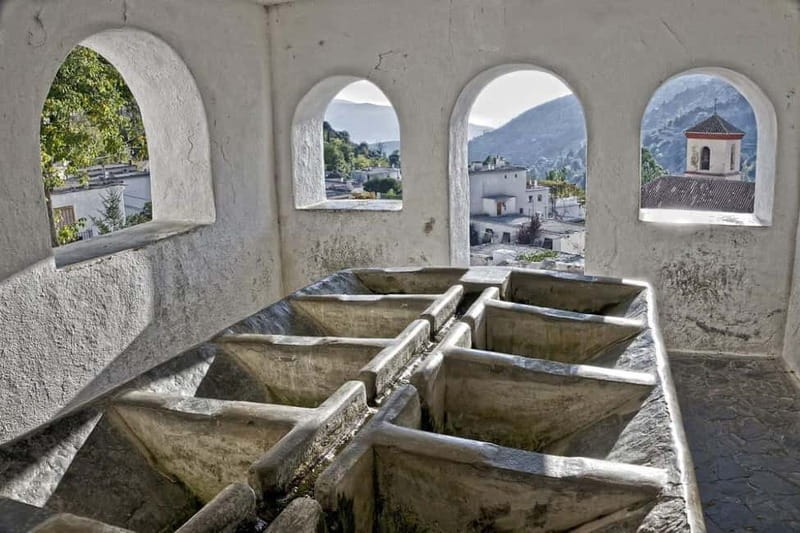
The Alpujarra is a useful place to buy something with a connection to the region rather than a generic souvenir. Look for jarapas, woven rugs, baskets, local ham, sausage, cheese, and other handmade products.
The craft stops can feel commercial if you prefer sightseeing only. One person found the carpet-weaving and ham-drying visits annoying because they felt like sales stops. The fair way to view them is as optional shopping opportunities. Listen, look, and buy only if you find something you genuinely want.
The food tasting is more central to the culture than a standard tourist snack. It introduces you to the preservation methods and flavors of a mountain area where cured foods have long been practical. The optional lunch then turns that tasting into a fuller meal.
At $80, I would select the lunch if you want convenience, a substantial local dish, and more time in the restaurant setting. If you are particular about food or want to choose your own restaurant, skip it and use the break to explore Capileira.
Who should book this day trip?
This experience suits you if you have limited time in Granada and want to see rural Andalusia without driving. It is also a good fit if you enjoy small villages, local food, mountain scenery, and short walks rather than strenuous outdoor activity.
You should think twice if you dislike winding roads, need a precise return time, or prefer spending several hours in one village. The day covers a lot of ground, and its strength is variety rather than depth.
It also works well as a break from a packed Granada schedule. After the Alhambra, cathedral, Albaicín, and city streets, the cooler air and open mountain views can feel like a welcome reset.
Should you book the Alpujarra tour?
Book it if you want an efficient introduction to the mountain villages and do not want to rent a car. The combination of Pampaneira, Trevélez, Capileira, Fuente Agria, local tastings, and optional lunch gives you a solid sense of the region in one day.
I would choose the lunch option, sit near the front of the vehicle, wear good walking shoes, and keep the evening free in case the return is late. Go with realistic expectations: this is a scenic overview on twisty roads, not a slow retreat in one quiet village.
For most people spending several days in Granada, it is a worthwhile addition. If you have only one day in the city and have not yet visited the Alhambra, see the major Granada sights first. If those are already covered, the Alpujarra offers the kind of fresh air, local food, and rural scenery that city sightseeing cannot provide.
FAQ
How long does the Alpujarra tour from Granada last?
The stated duration is eight to ten hours. The return can occasionally be later than scheduled because of the long route and winding mountain roads, so keep your evening flexible.
Which villages does the tour visit?
The route includes Lanjarón, Pampaneira, Trevélez, and Capileira. It may also include Pórtugos and additional viewpoints, bridges, waterfalls, or craft stops.
Is lunch included?
Traditional lunch and a drink are included only if you select the lunch option when booking. Without that option, you can use the break in Capileira to make your own arrangements.
What languages are available?
The tour operates in Spanish and English. Guides may explain information in both languages when the group is mixed.
Where is pickup available in Granada?
Pickup is available from selected central locations, including Hotel Colón Centro, Exe Triunfo Granada, Calle Cárcel Baja, Occidental Granada, TPV Granada 4U, Meliá Granada, Barceló Granada Congress, and Hotel Granada Center.
Should I bring identification?
Yes. The instructions say to bring a passport or identity card. Comfortable shoes and motion sickness medication are also sensible choices because the tour includes village walking and many mountain bends.
Just added around Granada
- Granada: Authentic and intimate Flamenco Show with Snacks★ 4.2 · 9 reviews
- Water paths. Private adventure and history tour★ 5.0 · 6 reviews
- Flamenco Show in the Caves of Sacromonte★ 4.5 · 26 reviews
- From Granada: Day Trip to Trevélez with Ham Factory★ 4.6 · 12 reviews
- Guided tour Granada Unexplained★ 5.0 · 5 reviews
- Albaicín and Sacromonte Sunset tour + Flamenco show★ 5.0 · 11 reviews
- Guided tour Conspiracy in the Albaicín★ 5.0 · 6 reviews
- Albaicin guided tour with dogs★ 5.0 · 6 reviews
Alpujarra Villages Day Trips from Granada, compared.
Premium Scenic Daytrip to Alpujarra Villages from Granada (Max 8)
Read our review →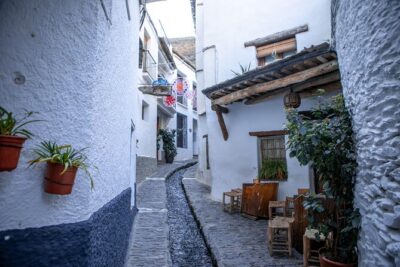
Las Alpujarras Full-Day Tour with Optional Lunch from Granada
Read our review →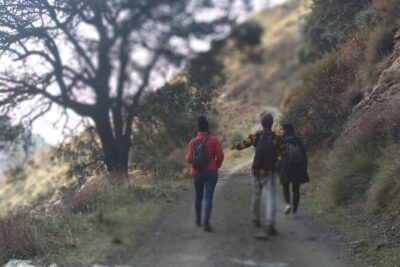
Alpujarras Day Trip Private or Small Group Tour
Read our review →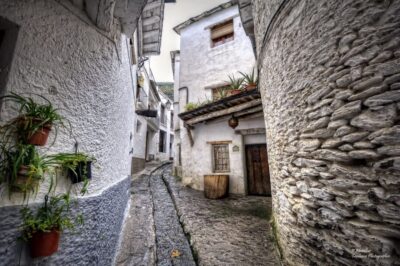
The Unchanged Villages of Alpujarra Small-Group Guided Day Trip
Read our review →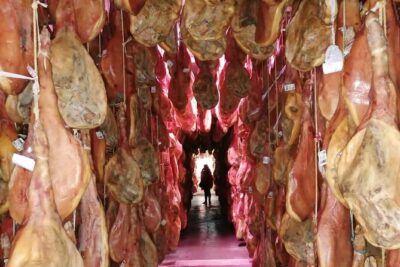
Day trip in Trevélez and a visit to ham drying factory
Read our review →Browse the lists this tour appears in