
Reviewed · ALPUJARRA VILLAGES DAY TRIPS FROM GRANADA
From Granada: Alpujarra Villages Guided Day Tour
The Alpujarra feels like another Spain: white houses climb the Sierra Nevada slopes, narrow lanes twist beneath mountain streams, and old Moorish building methods still shape the villages. This small-group day trip gives you a useful mix of scenery, history, and village life, rather than simply driving to one postcard town.
I like the quiet stop at Capilerilla, where you get away from the busiest village streets, and I like the guides’ personal touch. Gonzalo, Carlos, José, and Manuel have been praised for their local knowledge, safe driving, humor, and ability to adjust the pace. The main drawback is the winding mountain road, plus a late Spanish lunch that may not suit everyone.
Key points to know before you book
- The route covers several different Alpujarra settings: historic bridges, mountain viewpoints, springs, waterfalls, and white villages.
- Capilerilla adds a quieter stop: it feels less polished and less crowded than Pampaneira.
- Pampaneira is the main village visit: you get a guided walk followed by about 1.5 hours for lunch and free time.
- Small groups make a real difference: groups of four to eight allow easier questions and a more relaxed pace.
- Bring a snack: lunch may not happen until around 3 p.m., depending on the day’s timing.
- Expect walking on slopes and steps: sturdy shoes matter, especially after rain.
Why the Alpujarra makes a worthwhile day from Granada
Granada gives you the Alhambra, old city streets, and plenty of urban energy. The Alpujarra offers the opposite. You spend the day moving through mountain villages where whitewashed homes are stacked up hillsides and lanes can feel more like footpaths than roads.
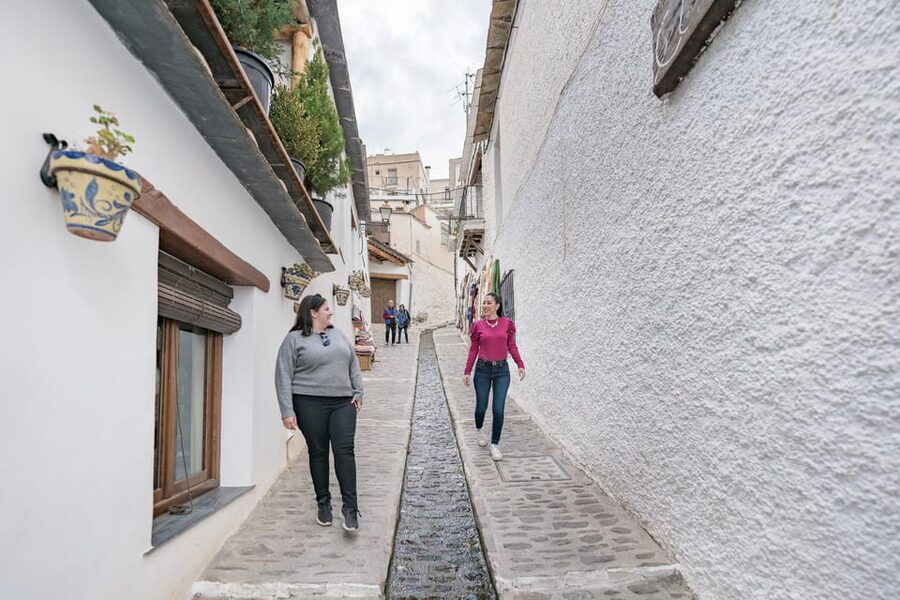
The appeal is not one grand monument. It is the combination of small details: flat-roofed houses, wooden balconies, water channels, mountain brooks, old laundry areas, and views stretching toward the Sierra Nevada. A guide helps you notice how the buildings fit the steep terrain and why the region looks so different from Granada.
The route also gives useful historical context. You hear about the Nasrid period and the Moriscos, the Muslims who remained in Spain after the Christian conquest and whose presence shaped the Alpujarra’s villages, farming traditions, and architecture. That background makes the narrow lanes and unusual roofs more meaningful.
At $108 per person, this is not a bargain bus ride. It is a full guided day with transport and a local guide, and the small-group format adds value. You do not need to work out the mountain roads, parking, or order of stops yourself. Lunch and personal purchases cost extra, so budget for those separately.
More Alpujarra village trips:
- From Granada: Alpujarra Mountain Villages Tour
★ 4.7 · 298 reviews - Premium Scenic Daytrip to Alpujarra Villages from Granada (Max 8)
★ 4.5 · 156 reviews - Las Alpujarras Full-Day Tour with Optional Lunch from Granada
★ 4.5 · 133 reviews
Starting in Granada and crossing into the mountains
The usual meeting point is the Discovering Spain office at Plaza de las Descalzas, 3. Hotel pickup is not normally included unless you choose a private option, though the provider may arrange a nearby meeting point if the vehicle cannot reach your accommodation.
The first drive takes about 30 minutes. That short opening ride gets you away from Granada and toward the lower Alpujarra. You will be in a van rather than a large coach, which suits the narrow roads and keeps the group fairly personal.
The route is not a single long drive with one brief photo stop. You make several stops, then return to the vehicle for the next section. That rhythm works well in the mountains, though the day can feel full. One group left at 9 a.m. and returned around 7 p.m., while the advertised duration is seven hours. Timing can stretch when the group takes its time at lunch, shops, or village stops.
Tablate Bridge and the Morisco story
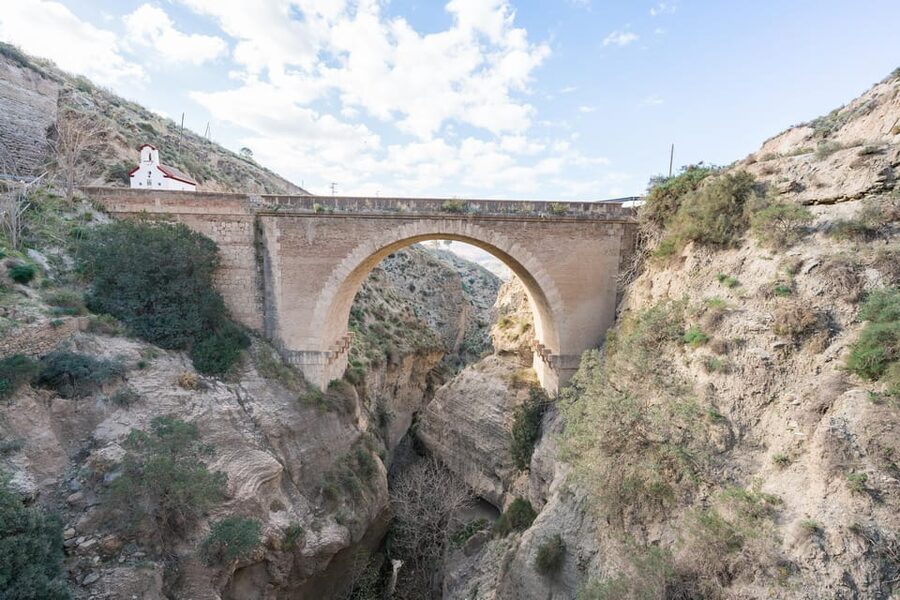
Puente de Tablate is an early stop and one of the most useful for setting the historical scene. The old Nasrid bridge occupies an important route into the Alpujarra, and your guide explains the region’s ties to the Moriscos.
This is a photo stop with a short guided explanation, not a major museum visit. Its value comes from the setting and the story. You begin to see the Alpujarra as a frontier region shaped by movement, religion, water, and difficult mountain access.
The route continues toward Lanjarón, described as the oldest town in the region. You stop for photos and see the Nasrid castle, with views over the surrounding area. Lanjarón is also known for its water, so this part of the day connects the town’s history with the springs and streams that appear later.
Do not expect a long independent visit in Lanjarón. The stop is mainly about views, the castle, and your guide’s explanation. If you want hours to explore one town slowly, this is not that sort of excursion.
Poqueira Valley views from above
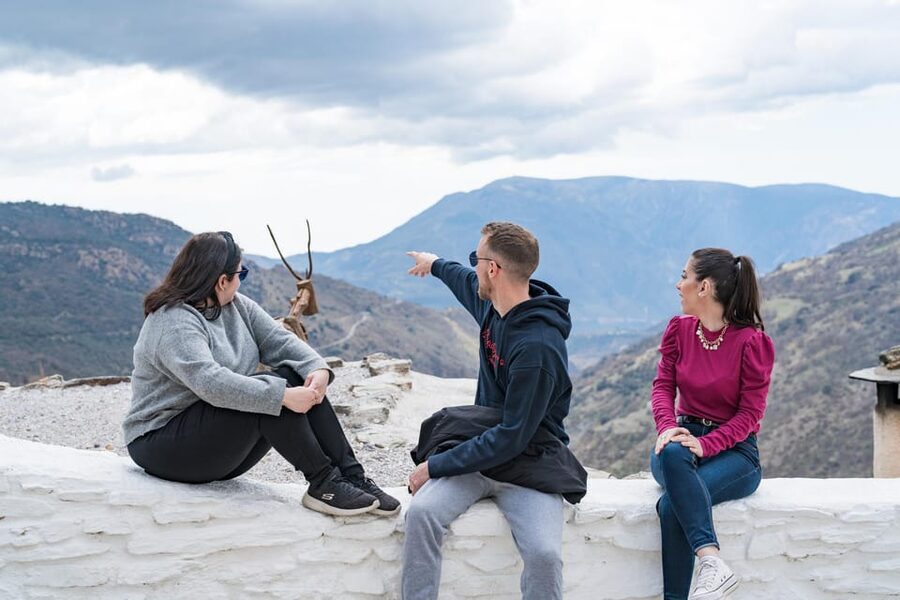
The Mirador de Poqueira is one of the route’s big visual moments. From the viewpoint, you can see the Poqueira Valley, the Guadalfeo Valley, and the Sierra Nevada. This is where the geography comes together: steep slopes, scattered villages, and broad mountain views explain why the Alpujarra’s settlements developed in such a distinctive way.
Bring your camera, but also give yourself a moment to look beyond the nearest white village. The view is wide and open, and it provides a useful contrast to the close, shaded lanes you walk later.
The stop is weather-dependent in the practical sense. Clouds, rain, or poor visibility can soften the views. Even in bad weather, the route can still work, but you should pack for changing mountain conditions rather than assuming Granada’s city weather will follow you uphill.
More day trips out of Granada:
- Granada full day: La alhambra completa + el Albaicin y Sacromonte
★ 5.0 · 188 reviews - Full-Day Cordoba Tour from Granada: Mezquita Visit Included
★ 4.5 · 65 reviews - From Granada: Caminito Del Rey Day Trip
★ 4.8 · 52 reviews - From Granada: Córdoba Day Trip with Mezquita Guided Tour
★ 4.6 · 50 reviews
Fuente Agria, mineral water, and the Chorrerón
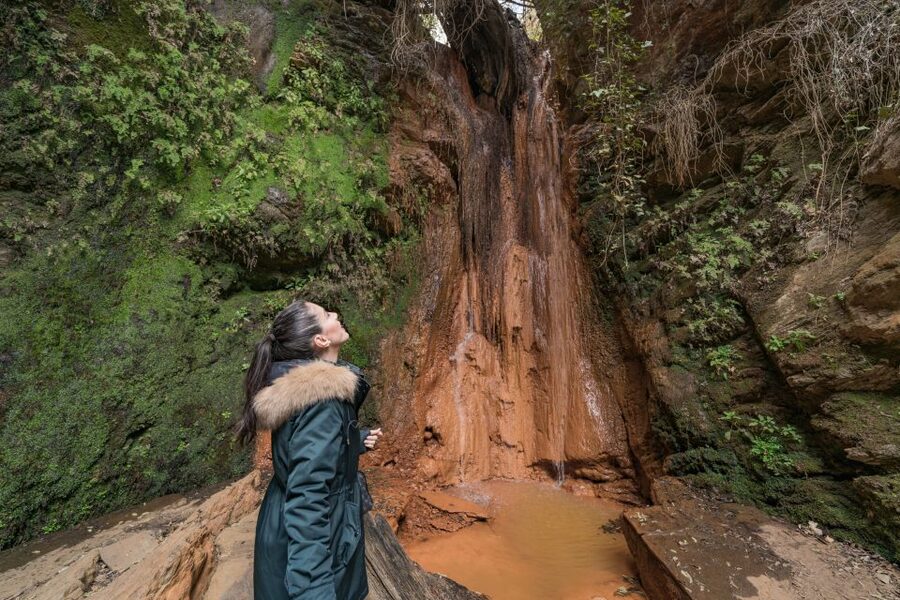
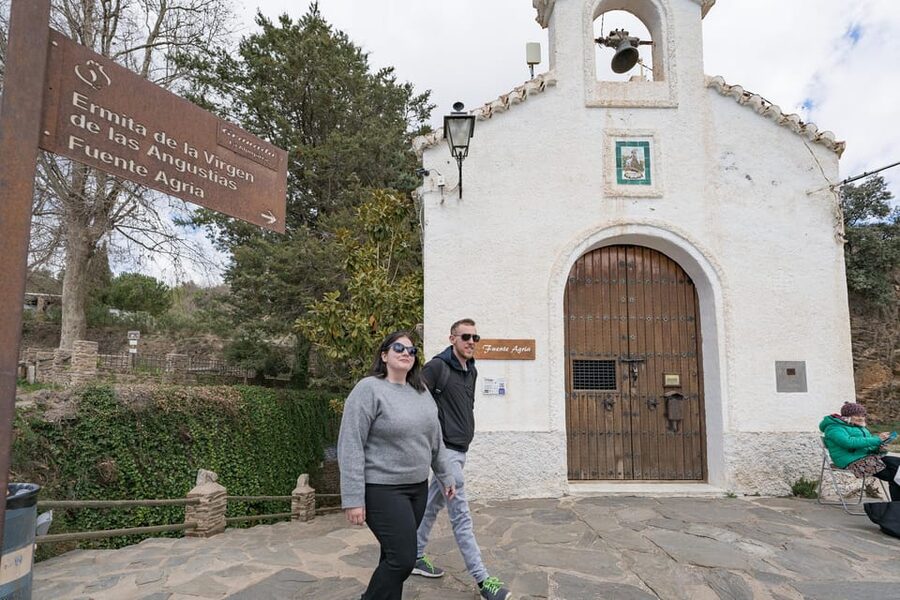
At the Fuente Agria spring near Pórtugos, the tour turns from history and architecture to natural features. The water is mineral-rich, and the spring is part of the area’s long relationship with mountain water.
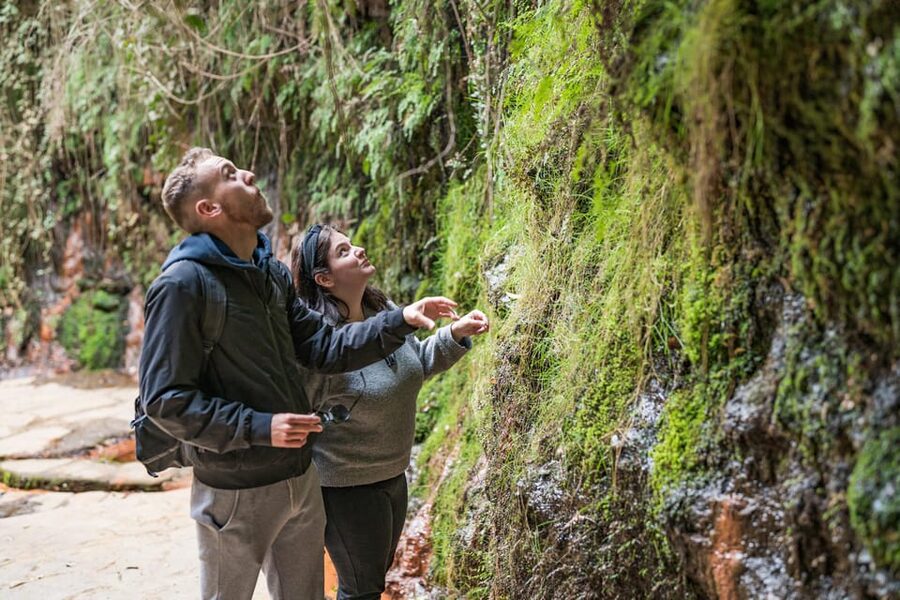
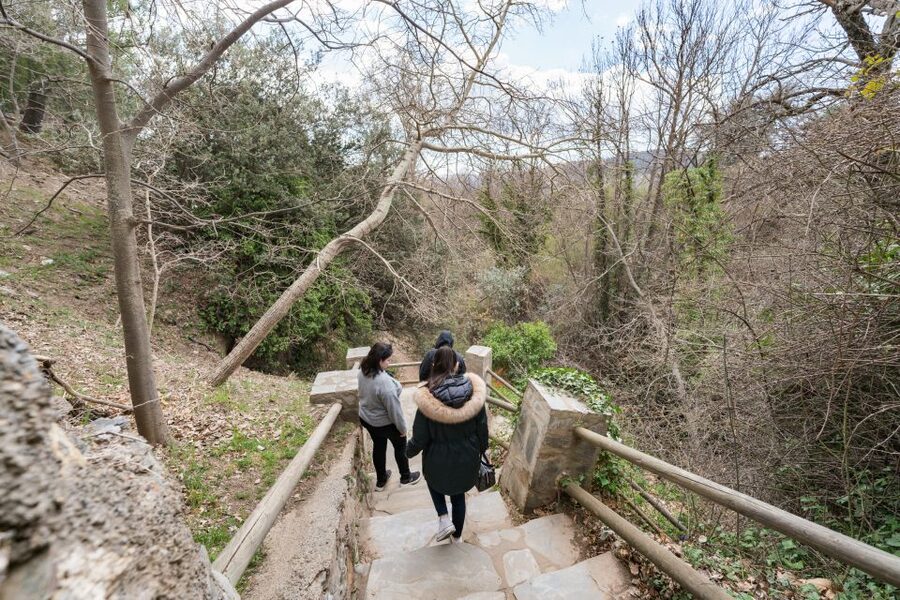
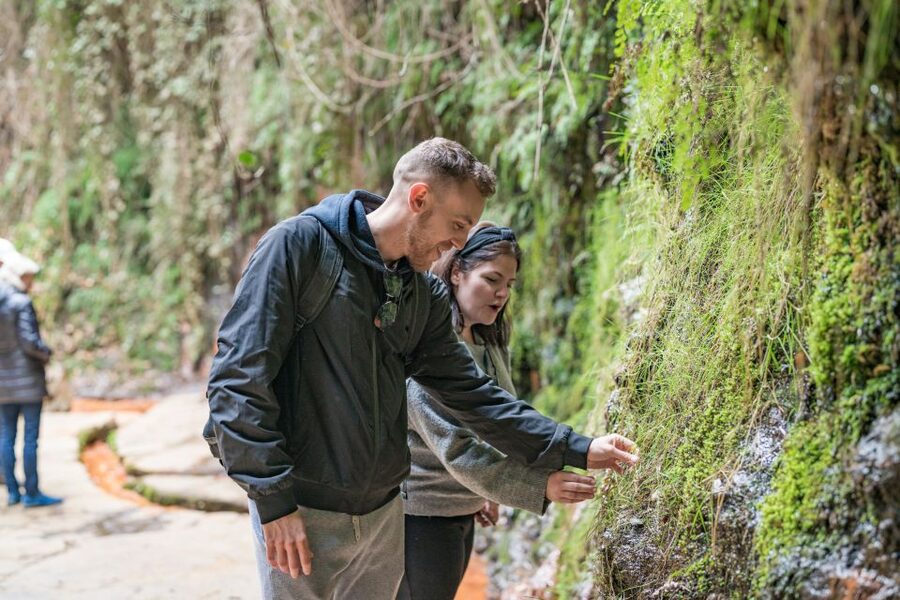
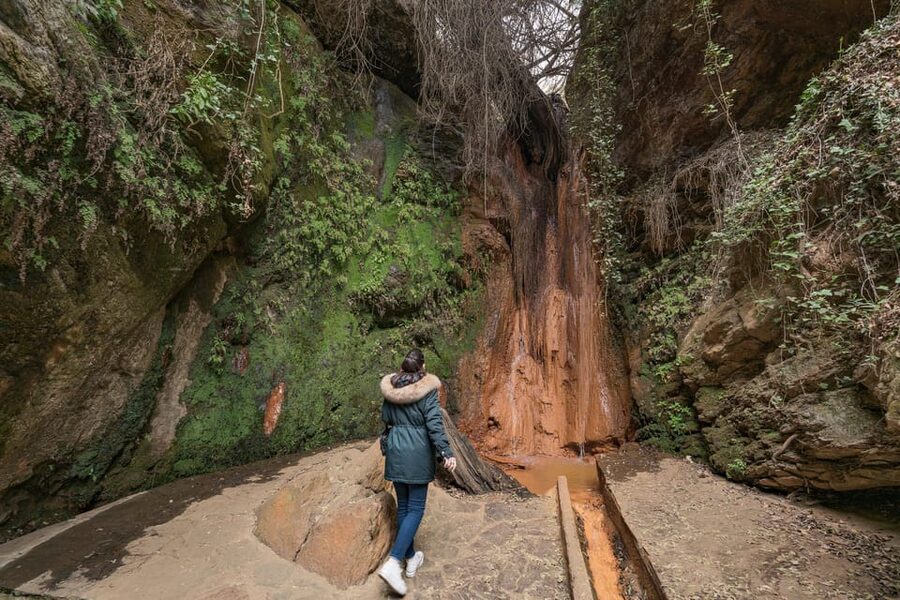
From the spring, you walk down toward the Chorrerón, where water drops through natural falls. This is a short nature walk rather than a demanding hike, but the route includes uneven ground, inclines, and steps. Wet surfaces can be slippery, so trainers with solid soles are a better choice than smooth casual shoes.
This stop is one reason comfortable clothing and water belong in your day bag. You are not only stepping out of a van for a quick photograph. You get a chance to stretch your legs and see a small natural feature close up.
The activity is not suitable for wheelchair users or people with mobility impairments. That limitation matters most here and during the village walks, where steep lanes and steps are part of the setting.
Capilerilla, a quieter side of the Alpujarra
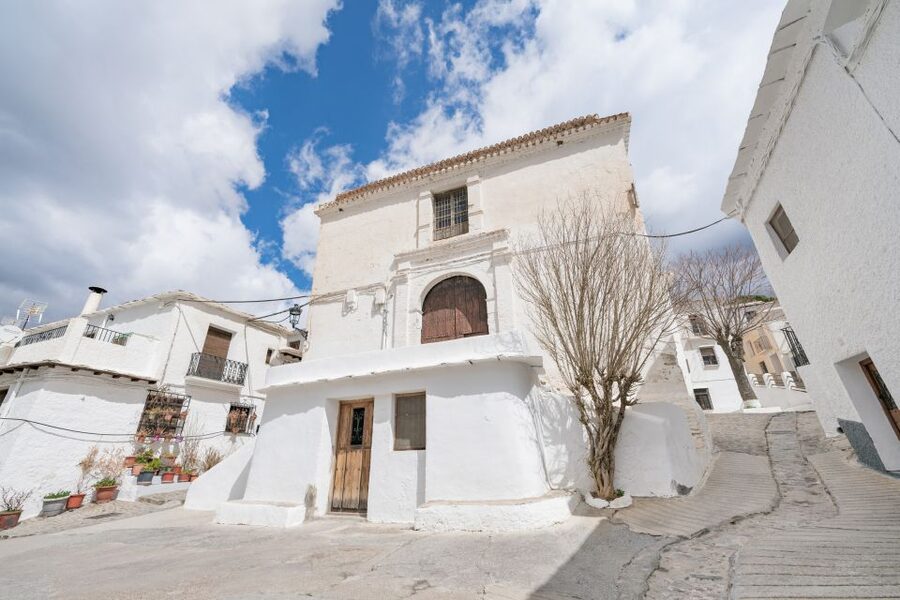
Capilerilla is a particularly good inclusion. It is a small, less visited village with old architecture and narrow streets, and it gives you a sense of everyday Alpujarra life without the same concentration of shops and tour groups found in the better-known towns.
Your guide walks with you through the village and points out building methods and local details that are easy to miss. The traditional homes are a major part of the appeal. Some buildings in the area are more than 400 years old, and the way houses are packed onto the slopes reflects both the terrain and local construction habits.
This is also where the tour feels least like a standard sightseeing circuit. You have room to look around without trying to cover a long list of monuments. The tradeoff is that Capilerilla has fewer obvious visitor facilities, which is precisely why the stop feels more local.
Pampaneira, the main village visit
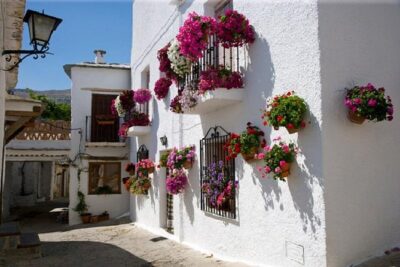
Pampaneira is the best-known stop and belongs to the network of Spain’s most beautiful villages. It is also one of the most representative Alpujarra towns, with white houses, steep lanes, mountain streams, and craft and souvenir shops.
The guided walk helps you understand the village’s design instead of treating it as a collection of pretty corners. Look for the way the homes rise one above another, the narrow streets that follow the slope, and the water running through parts of the settlement. Every turn offers a photo, but the village is more interesting when you notice how people have adapted to the mountains.
You then get about 1.5 hours for lunch and free time. This is enough for a meal and a modest wander, though it may feel short if you want to shop, take photos, and explore every lane. One past group wished for more free time at the final village, while others appreciated not being rushed. The difference comes down to your priorities.
Lunch is not included in the $108 price. Your guide can recommend a restaurant, and the meal can be a highlight, especially if you want local dishes rather than a quick snack. Plan around Spanish meal hours. Lunch may be close to 3 p.m., so eat something small before departure.
Pampaneira also offers the best chance to buy a souvenir. The village has small shops, and the route may include local artisan stops depending on the day and guide. Some groups have also visited places connected with chocolate, weaving, or local ham production, but these extras are not guaranteed in the stated itinerary.
The van ride and the guide’s role
The return drive is listed at about 80 minutes. Mountain roads twist, so a careful driver matters. Gonzalo has been especially praised for driving safely and comfortably, while Carlos, José, Manuel, and others have also received strong marks for guiding and transport.
A good guide improves this tour more than another photo stop would. The villages are attractive on their own, but the explanations about Morisco culture, house construction, local people, geography, and food give the day shape. Guides have also helped with photos, restaurant choices, and small practical questions.
Language ability can vary by guide and group. The activity is offered in English and Spanish, and several guides have handled both languages well. If your group includes both languages, some commentary may take longer or be less detailed in one language. One English-speaking participant found the guide spoke mostly with a Spanish-speaking passenger, so it is reasonable to ask politely for key explanations in your language.
Small groups are a strong point. Groups of four, six, or eight allow the guide to adjust walking time and answer questions. In very small groups, the provider may even use a private car. That can make the day more flexible, though it does not guarantee a private tour every time.
Is $108 good value?
I would call the price fair for the amount of ground covered, provided you want a guided experience. Transport alone would require confidence on winding roads, and independent visitors would need to plan the sequence of villages, viewpoints, and natural stops.
The value is strongest when you care about context and convenience. You get a local guide, van transport, several stops, village walks, and free time in Pampaneira. You also avoid spending your day figuring out parking and mountain directions.
The price is less attractive if you only want to see Pampaneira. In that case, a simpler transport option might suit you better, though you would lose the bridge, castle, viewpoints, spring, waterfall, and Capilerilla.
Remember the extra costs: lunch is not included, and neither are souvenirs or any paid services that might be offered during the day. Bring water, a snack, and comfortable clothes.
Who should book this day trip?
I would choose this tour if you have more than one or two days in Granada and want a clear look at the region beyond the city. It suits people who enjoy scenic drives, old villages, local stories, and short walks rather than strenuous hiking.
It also works well for couples, families with older children, and solo visitors who prefer not to tackle remote mountain roads alone. The small groups make it easier to meet people without the feel of a large coach excursion.
I would hesitate if you need step-free access, dislike winding roads, or want a leisurely stay in one village. The schedule covers several places, and the day can run long when the group takes its time. You should also be comfortable with lunch happening late.
Free cancellation is available up to 24 hours before departure, and you can reserve without paying immediately. The tour requires a minimum number of participants. If transport goes ahead but the guided portion cannot run, an alternative activity may be offered and the transport cost is not refundable.
Should you book it?
Book it if you want the Alpujarra explained as well as photographed. The strongest parts are the mix of Capilerilla’s quiet lanes, Pampaneira’s classic white village, the Poqueira Valley viewpoint, and the stories that connect the scenery to Nasrid and Morisco history.
Skip it if your mobility is limited, you want a fixed seven-hour return with no chance of delay, or you prefer to explore one village at your own pace. For most visitors with enough time in Granada, though, this is a practical way to see a beautiful mountain region that is difficult to reach well without a car.
FAQ
Where does the tour meet in Granada?
The usual meeting point is the Discovering Spain office at Plaza de las Descalzas, 3. Hotel pickup is available only with selected private options, and you should contact the provider to confirm your meeting details.
How long does the tour last?
The stated duration is seven hours. Actual timing can vary, and some groups have returned later after taking extra time for lunch, shopping, and village walks.
Is lunch included?
No. Lunch is paid separately, and it may take place around 3 p.m. Bring a snack if you normally eat earlier.
Which villages does the tour visit?
The route includes Lanjarón, Capilerilla, and Pampaneira. It also includes stops at Tablate Bridge, the Poqueira viewpoint, Fuente Agria, and the Chorrerón waterfall area.
What languages are available?
The tour is offered in English and Spanish with a live guide.
Is hotel pickup included?
Not normally. Hotel pickup is available if you select the private option. If the vehicle cannot reach your accommodation, the provider will arrange a nearby meeting point.
Is the tour suitable for wheelchair users?
No. The tour is not suitable for wheelchair users or people with mobility impairments because of uneven paths, inclines, steps, and narrow village streets.
What should I bring?
Bring comfortable shoes, water, comfortable clothes, and a snack. Sturdy soles are especially useful if the ground is wet.
Just added around Granada
- Granada: Authentic and intimate Flamenco Show with Snacks★ 4.2 · 9 reviews
- Water paths. Private adventure and history tour★ 5.0 · 6 reviews
- Flamenco Show in the Caves of Sacromonte★ 4.5 · 26 reviews
- From Granada: Day Trip to Trevélez with Ham Factory★ 4.6 · 12 reviews
- Guided tour Granada Unexplained★ 5.0 · 5 reviews
- Albaicín and Sacromonte Sunset tour + Flamenco show★ 5.0 · 11 reviews
- Albaicin guided tour with dogs★ 5.0 · 6 reviews
- Guided tour Conspiracy in the Albaicín★ 5.0 · 6 reviews
Alpujarra Villages Day Trips from Granada, compared.
Premium Scenic Daytrip to Alpujarra Villages from Granada (Max 8)
Read our review →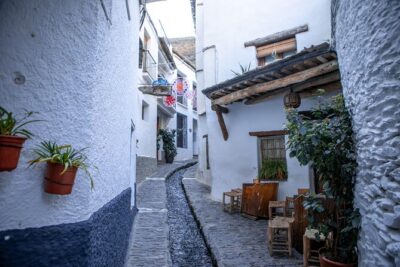
Las Alpujarras Full-Day Tour with Optional Lunch from Granada
Read our review →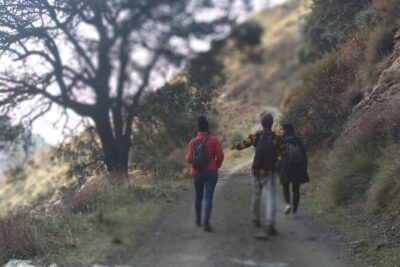
Alpujarras Day Trip Private or Small Group Tour
Read our review →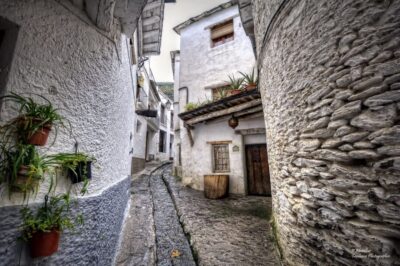

The Unchanged Villages of Alpujarra Small-Group Guided Day Trip
Read our review →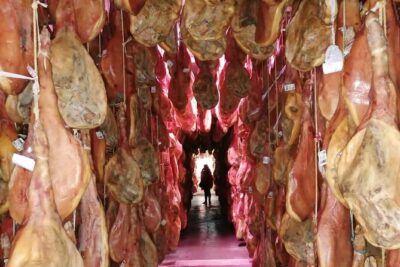
Day trip in Trevélez and a visit to ham drying factory
Read our review →Browse the lists this tour appears in