
Reviewed · ALBAICíN & SACROMONTE WALKING TOURS
Tour Granada from its Origin; Albaicín
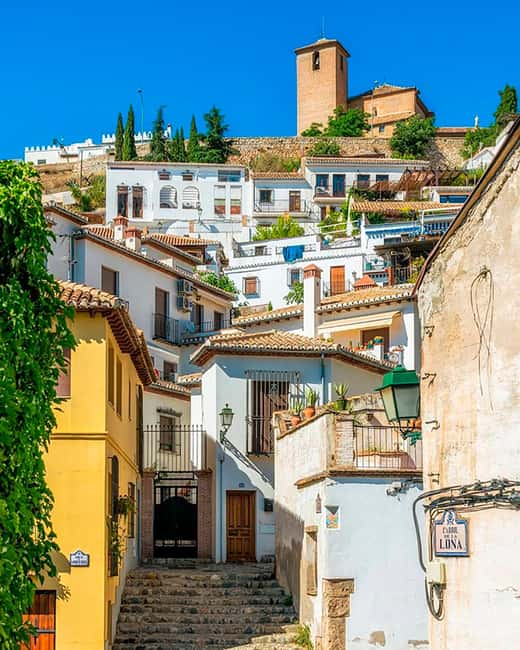
Granada reveals itself best on foot, and this tour begins at one of its oldest entrances, Puerta de Elvira, before climbing into the Albaicín. In two hours, you move from medieval gates and church squares to high viewpoints, a traditional Carmen house, and the old center around Plaza Nueva.
I like the route for two clear reasons: you get the big picture quickly, and the views are built into the walk rather than added as an afterthought. I also like the mix of landmarks and everyday recommendations about food and culture. The catch is equally clear: Granada has hills, stairs, uneven cobblestones, and a few demanding climbs. This is not a gentle stroll.
The guides are official local guides, and names that appear in the guiding team include Marta and Daniel. Daniel is praised for giving plenty of information without rushing, while Marta is known for patient answers and a warm, personal approach. Your guide may differ, but the experience depends heavily on who leads your group.
Key points at a glance
- Starts at Puerta de Elvira: Begin near a major historic entrance to Granada, not in a generic tour office.
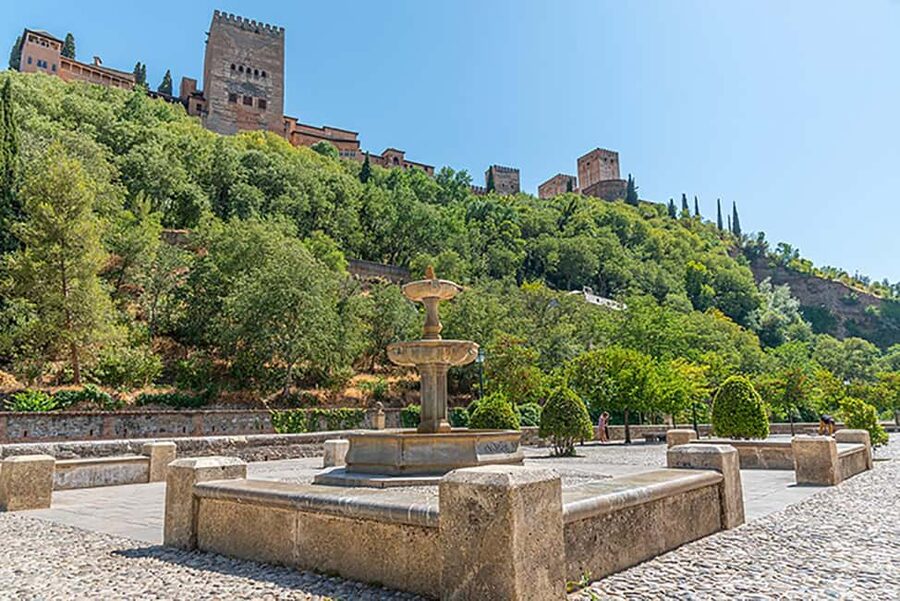
- Reaches San Nicolás: The route includes one of the city’s best-known viewpoints, with broad views across Granada.
- Includes Casa Carmen: You get access to a typical Granada Carmen house, an important local building style.
- Connects Albaicín and the old center: The walk shows how Granada’s neighborhoods and cultures fit together.
- Costs $17 per person: For two hours with an official local guide, the price is strong value if you can manage the hills.
- Uses a question-friendly format: Guides such as Marta and Daniel are praised for answering questions and explaining more than the obvious facts.
Why this route gives you a useful first look at Granada
A short walking tour can either become a rushed parade of names or help you understand how a city fits together. This one aims for the second option. It begins with Granada’s origins, moves through the Albaicín, then descends toward the older central streets.
That route matters. The Albaicín is not simply a pretty quarter with whitewashed walls. It is one of the clearest places to see Granada’s layered past, with Islamic, Christian, and later urban influences sitting close together. The tour introduces those changes as you move through gates, squares, religious buildings, homes, and viewpoints.
You also get practical orientation. By the finish at Plaza Nueva, you have seen several areas that you can return to later. You will know where Paseo de los Tristes sits, how the Albaicín connects to the center, and where some of the city’s best views are found.
At $17, the tour offers good value for a first morning or afternoon in Granada. The guide provides context that can make later sightseeing easier, especially if you are trying to understand why the city feels so different from other Andalusian destinations. Food and drinks are not included, but that is not a serious drawback on a two-hour walk.
More walks through the Albaicin and Sacromonte:
- Granada: Albaicín and Sacromonte Guided Sunset Walking Tour
★ 4.9 · 2,962 reviews - Sacromonte: Flamenco Show at Cuevas Los Tarantos Tickets
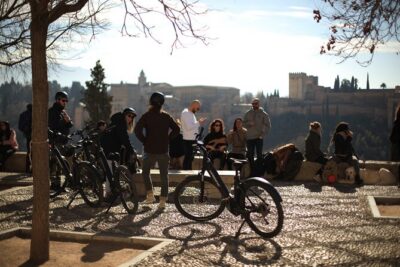
★ 4.5 · 2,051 reviews - Albaicin & Sacramonte Electric Bike Tour in Granada
★ 5.0 · 1,044 reviews
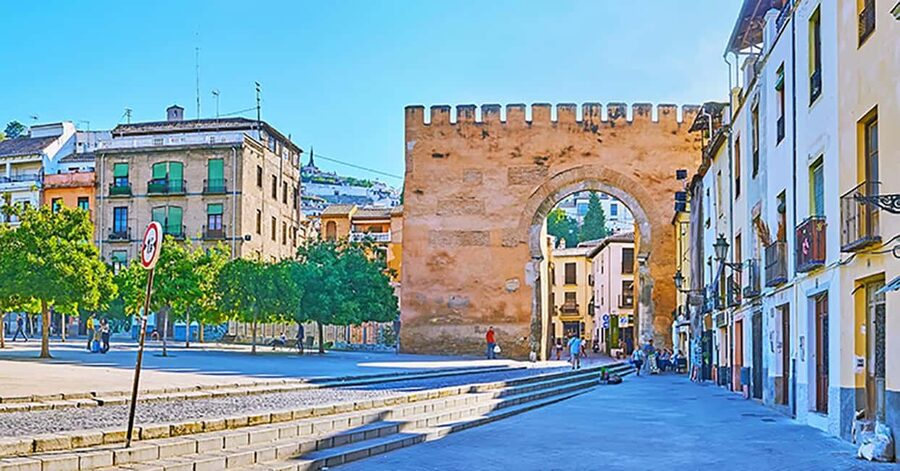
Starting at Puerta de Elvira and climbing into the Albaicín
You meet next to Puerta de Elvira, where the official guide wears visible guide accreditation. This is a practical meeting point because it is easy to identify and gives the tour an immediate sense of place.
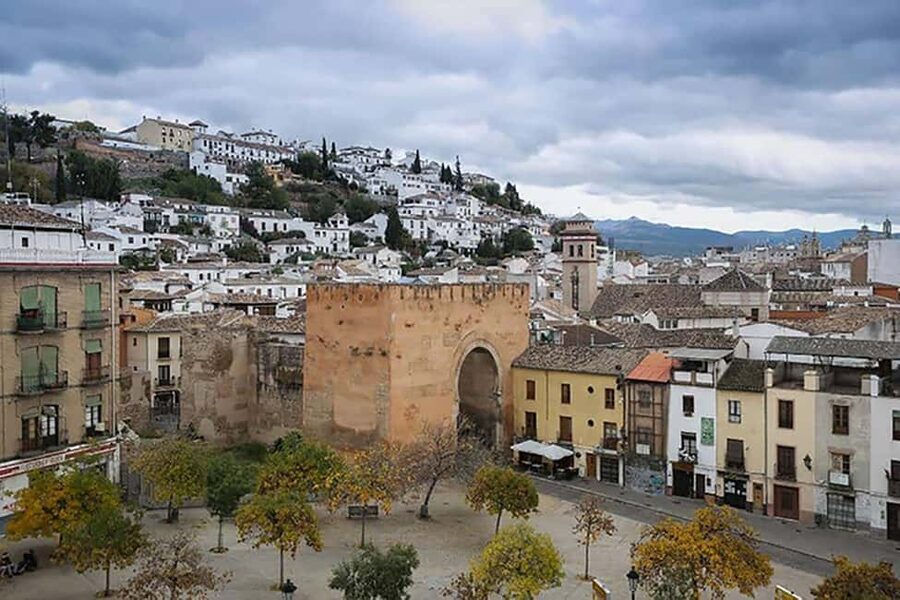
The Arc of Elvira is the first main stop, with about 10 minutes for explanation. The gate helps set up the city’s early story and the role of defensive entrances in the old urban plan. You are not merely passing a landmark for a quick photograph. The guide uses it to explain Granada from its origin and to introduce the different civilizations that shaped the city.
From there, the route continues to Puerta Monaita. This is another historic entrance associated with the Albaicín, and the short visit adds a second piece to the city’s defensive and neighborhood history. Seeing both gates is useful because it shows that old Granada was not built around one isolated monument. It was a connected town with routes, walls, and distinct areas.
Next comes the Mirador de la Lona, a five-minute photo stop. The viewpoint gives you a chance to pause and look across the city. It is also a good reminder that the Albaicín’s hills are part of the experience, not an inconvenience that can be removed from it.
You should wear shoes with firm soles. The route includes slopes, stairs, and cobblestones, and the first part already makes that clear. Comfortable footwear will help more than stylish footwear here.
San Miguel Bajo and Santa Isabel la Real
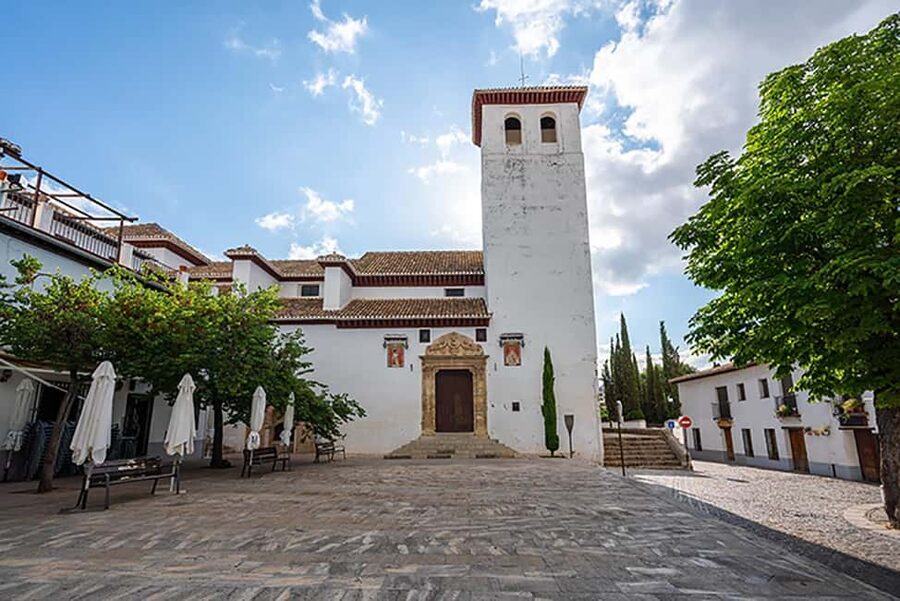
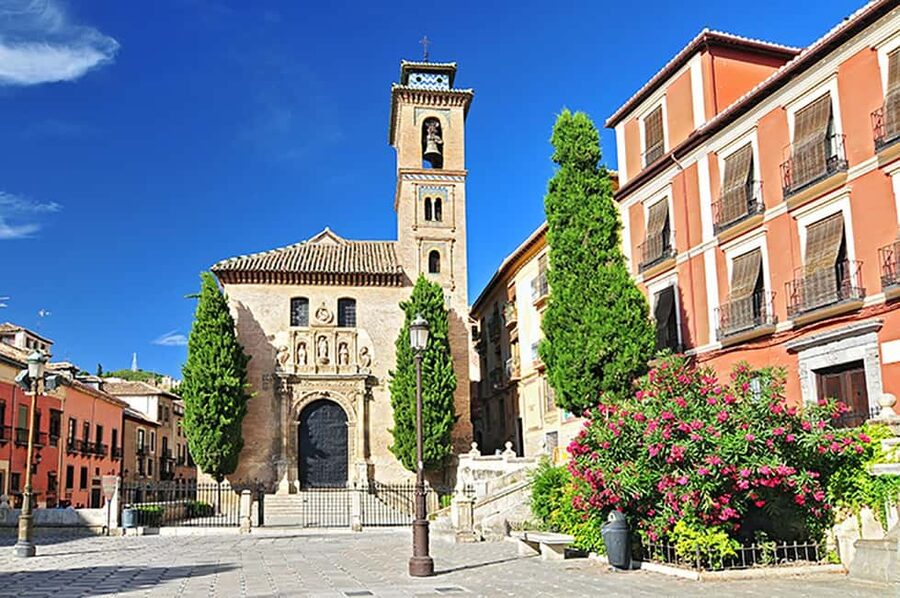
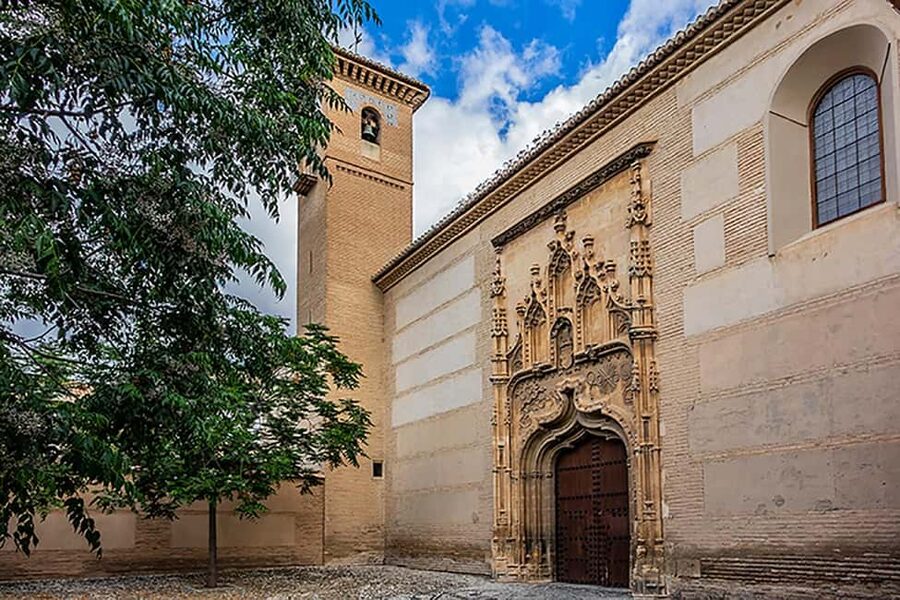
The walk continues to the Plaza and Iglesia de San Miguel Bajo. The stop lasts around 10 minutes and brings the tour into a smaller neighborhood setting. A church square gives the guide room to discuss Granada’s religious and urban changes without limiting the story to famous monuments.
The nearby Monastery of Santa Isabel la Real is scheduled for another 10-minute visit. It adds a different kind of place to the route, and it helps show how the Albaicín developed after Granada’s political and religious transformation.
I like this section because it slows the route down after the gates and viewpoints. You get more than city panoramas. You also see how churches, monasteries, squares, and residential streets occupy the same old quarter.
The tour is not designed as a full interior visit to every building. Some places are viewed or explained from the outside, and some are brief stops. If you want extended time inside religious sites, this walk may feel too quick. Its strength is the range of places covered in a short period.
San Nicolás and the views across Granada
The Plaza de San Nicolás receives about 20 minutes, including a visit, sightseeing, and time for photographs. This is one of the headline moments of the tour.
The viewpoint is valuable because it pulls together the geography of Granada. From here, you can take in the city from above and appreciate the relationship between the Albaicín and the surrounding area. The tour description specifically promises the best viewpoints and views, and San Nicolás is where that promise matters most.
Your guide can also point out details that are easy to miss when you arrive alone. Several people who took the tour praised the way the guide connected different strands of information and encouraged questions. That is useful at a viewpoint, where it is tempting to take a photograph and move on without learning what you are seeing.
The stop is not only about a famous view. It gives you a visual break after the uphill streets and helps explain why the Albaicín is such an important part of Granada’s identity.
Conditions can affect the experience. The supplied details do not promise a particular view in every type of weather, so bring clothing suited to the forecast. A camera is recommended, and water is sensible, especially during warmer months.
A few more Granada tours and experiences worth a look
- Granada: Alhambra & Nasrid Palaces Tour with Tickets
★ 4.7 · 19,801 reviews - Granada: Alhambra & Generalife Fast-Track Guided Tour
★ 4.7 · 8,313 reviews - Granada: Alhambra & Gardens Tour w/Nasrid Palaces Option
★ 4.5 · 6,437 reviews - Granada: Alhambra Entry Ticket with Audio Guide
★ 4.1 · 5,950 reviews
Inside the character of a Carmen house
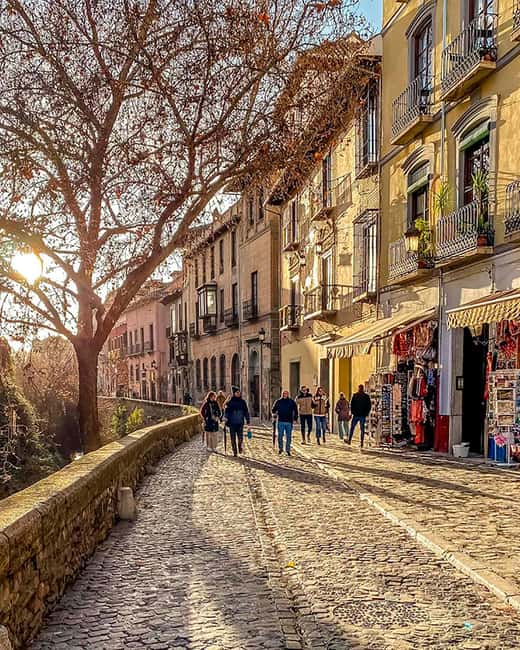
One of the most distinctive parts of the walk is access to Casa Carmen. A Carmen is a typical Granada house, and this visit adds a residential dimension that you do not get from gates, churches, and viewpoints alone.
The house helps you understand how local life is shaped by private courtyards, gardens, and hillside homes. The experience is valuable because Granada’s appeal is not limited to monumental architecture. Its character also comes from the way homes and outdoor spaces are arranged within the Albaicín.
The information provided does not specify every room or feature you will see, so you should think of Casa Carmen as a focused stop rather than a long museum visit. Still, it is an unusual inclusion at this price and gives the tour a more local feel.
The guide also offers recommendations for gastronomy and culture. That is one reason I would take this walk early in a Granada stay. You can use the advice for the rest of your visit instead of waiting until the final afternoon to ask where to eat or what else to see.
Down to Paseo de los Tristes and the Bañuelo area
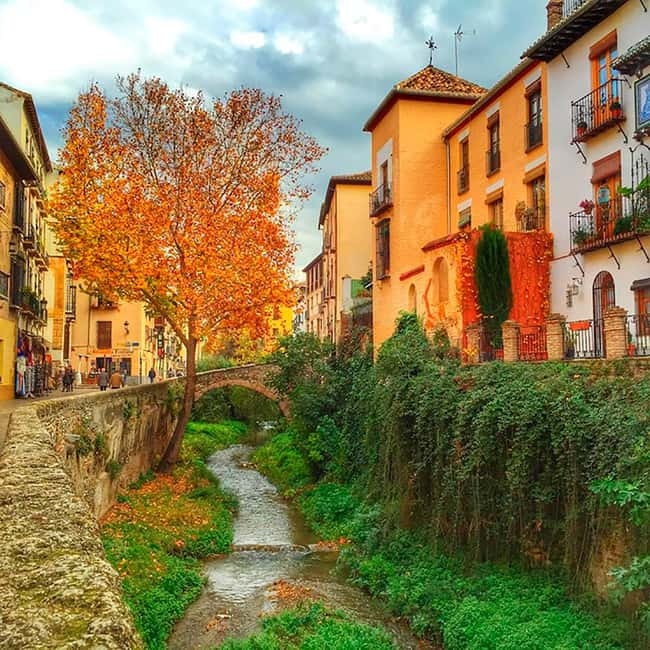
The route then reaches Paseo de los Tristes, with about 30 minutes set aside for photographs, sightseeing, and explanation. This is the longest stop listed on the walk, so it functions as more than a passing view.
The route here gives you a different angle on Granada after the high Albaicín viewpoints. It also brings you toward the historic center and the area associated with the Bañuelo, one of the named places on the tour route.
The itinerary names the Bañuelo, but the exact format of that part is not specified as a separate timed interior visit. You should not assume that the tour includes a full admission visit inside the baths. The guide may explain the site or point it out as part of the route.
This is a good example of how to judge the tour fairly. It covers many important places, but two hours requires short explanations and steady walking. You get a useful introduction, not an in-depth archaeological tour.
Plaza Nueva, Santa Ana, and the Royal Chancery
The final section reaches Plaza Nueva, where the tour finishes. Along the way, you visit or pass the Iglesia de Santa Ana and the Palacio de la Real Chancillería.
Plaza Nueva is a practical ending because it places you back in Granada’s central area. The square connects naturally with other parts of the city, so you can continue sightseeing, stop for food, or return to a place you want to examine more closely.
The church of Santa Ana is a brief pass-by stop, listed at about five minutes. The Royal Chancery is also a short pass-by stop. These quick encounters add historical context, but they are not substitutes for a dedicated visit inside either building.
That balance is worth understanding before booking. The route gives you a wide spread of Granada’s landmarks, but it does not give every one of them equal time. You trade depth at individual monuments for a strong overview of several neighborhoods.
How much information will you get?
This tour suits you if you like a guide who talks, explains links between places, and welcomes questions. The strongest guide feedback centers on patience, personal attention, and the ability to combine different strands of Granada’s story without making the walk feel rushed.
Daniel is specifically praised for giving substantial information while allowing time for questions. Marta is praised for explaining the city patiently and creating a warm, personal atmosphere. One important practical point is that your assigned guide could be someone else, so treat those names as examples of the guiding style available rather than a guarantee.
The walk is conducted in English. You can expect live commentary rather than an audio guide or self-guided route. That matters in the Albaicín, where a local guide can explain why a street, gate, or viewpoint matters instead of leaving you to guess.
The tour also aims to provide cultural and food recommendations. Those tips can be especially useful because the route crosses both the Albaicín and the historic center. Ask questions while you have the guide in front of you. The format appears well suited to that.
Hills, timing, and who should book
The main limitation is physical. Granada has several hills, and this route includes uphill and downhill stretches, cobblestones, and stairs. The experience is not suitable for wheelchair users or people with mobility impairments.
If you walk comfortably on uneven streets, the physical effort is manageable for many people, but you should not treat the two-hour duration as proof that it is effortless. The listed stops account for the full two hours, so walking time is woven between them. Expect a steady pace and arrive ready to move.
Bring:
- Comfortable shoes
- Water
- A camera
- Clothing suited to the weather
The tour works especially well for first-time visitors, couples, solo visitors, and families with older children who can handle the hills. It is also useful if you have limited time in Granada and want to understand the city before choosing which sites to revisit.
It may not suit you if you want a slow photography walk, long indoor visits, or a route without stairs. You may also prefer a more focused tour if your main goal is only the Alhambra, Islamic architecture, or food.
You can cancel up to 24 hours before the start for a full refund, and you can reserve now and pay later. Those terms reduce the risk when your schedule is still changing.
Is this Granada walking tour worth $17?
Yes, for the right kind of visitor. The price is modest for two hours with an official local guide, and the route covers a lot: two historic gates, Albaicín streets, several religious sites, San Nicolás, Casa Carmen, Paseo de los Tristes, and the central landmarks around Plaza Nueva.
The value is highest when you use the tour as an introduction. You are paying for orientation, local explanation, and a set of views and neighborhoods that can be confusing to connect on your own. The guide’s recommendations may also save you time later.
I would book it near the start of a Granada visit, preferably when you still have time to return to places that catch your interest. I would skip it if hills and stairs are a serious problem, or if you want a detailed visit inside every monument.
For most active visitors, this is an affordable way to get Granada’s main story in place. Bring good shoes, keep an eye on the weather, and arrive ready for a real hill walk rather than a flat city stroll.
FAQ
How much does the tour cost?
The tour costs $17 per person.
How long does the walking tour last?
The tour lasts two hours.
Where does the tour begin?
It begins next to Puerta de Elvira. Look for the official guide wearing guide accreditation around the neck.
Where does the tour finish?
The tour finishes at Plaza Nueva in Granada.
Is the tour offered in English?
Yes. The tour has a live English-speaking guide.
Does the tour include Casa Carmen?
Yes. Access to Casa Carmen is included.
Are food and drinks included?
No. Food and drinks are not included.
Is the route suitable for wheelchair users?
No. The tour is not suitable for wheelchair users or people with mobility impairments because it includes hills, stairs, and cobblestone streets.
Can I cancel the booking?
Yes. You can cancel up to 24 hours in advance for a full refund. Reserve now and pay later is also available.
Just added around Granada
- Granada: Authentic and intimate Flamenco Show with Snacks★ 4.2 · 9 reviews
- Water paths. Private adventure and history tour★ 5.0 · 6 reviews
- Flamenco Show in the Caves of Sacromonte★ 4.5 · 26 reviews
- From Granada: Day Trip to Trevélez with Ham Factory★ 4.6 · 12 reviews
- Guided tour Granada Unexplained★ 5.0 · 5 reviews
- Albaicín and Sacromonte Sunset tour + Flamenco show★ 5.0 · 11 reviews
- Albaicin guided tour with dogs★ 5.0 · 6 reviews
- Guided tour Conspiracy in the Albaicín★ 5.0 · 6 reviews
Albaicín & Sacromonte Walking Tours, compared.
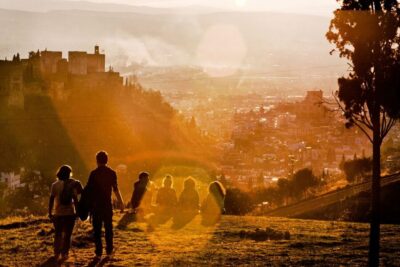
Albaicín and Sacromonte Guided Sunset Walking Tour
Read our review →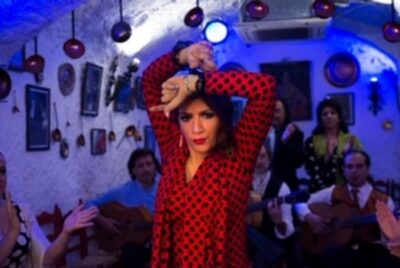
Albaicin & Sacramonte Electric Bike Tour in Granada
Read our review →


Granada’s Hidden Treasures: Albayzin and Sacromonte Walking Tour
Read our review →
Albayzín y Sacromonte, Unesco Heritage Neighborhoods
Read our review →Browse the lists this tour appears in