Reviewed · TOURS
Granada Geopark: Stargazing Tour with Telescope
At nearly 1,800 meters in Sierra Nevada National Park, this two-hour evening tour gets you away from city lights and into a proper star-watching setting. You begin under the open sky, learning the main constellations and their myths, then move to a professional telescope for closer views of planets, moons, galaxies, nebulae, and star clusters.
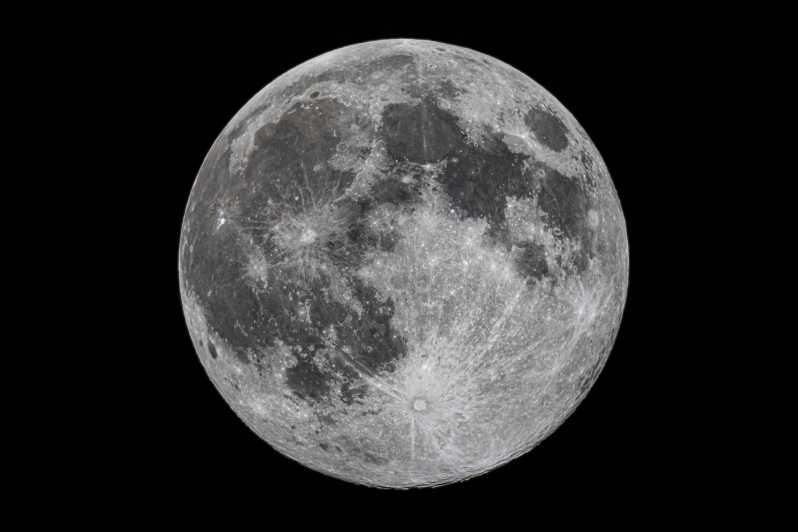
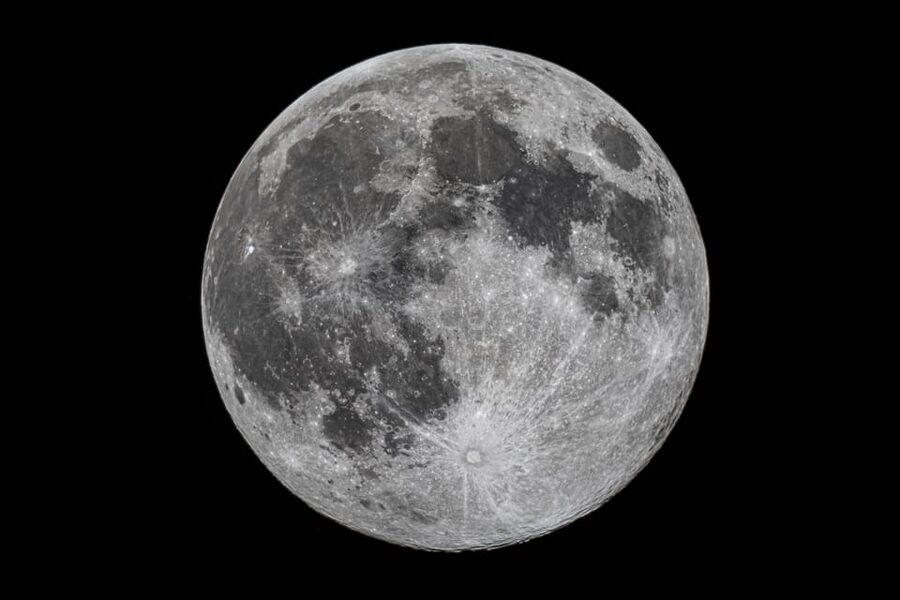
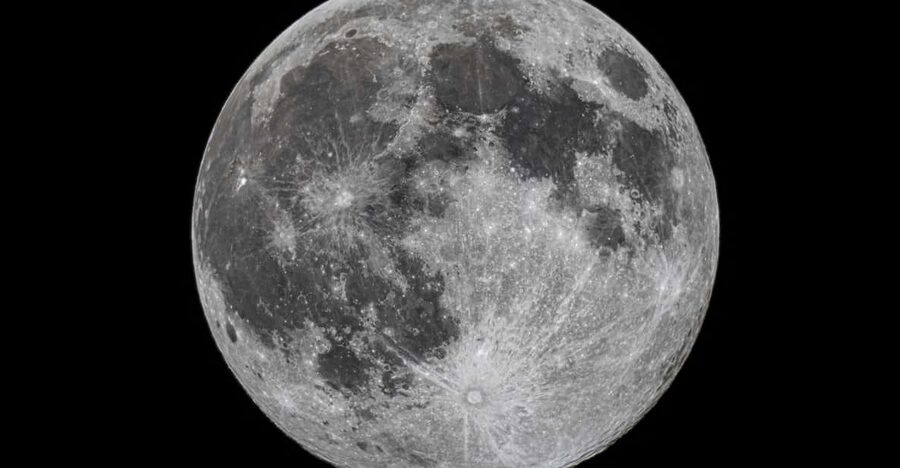
I like the astronomical laser, which makes the sky lesson easier to follow than a spoken tour that leaves you guessing where to look. I also like the chance to photograph the Moon through the telescope with your own phone, when conditions and the night’s objects allow it.
The main drawback is the cold. Mountain temperatures can drop sharply after dark, even in summer, so warm clothing is not optional. Cloud cover can also affect what the telescope reveals, though the guide works in a location chosen for clear skies and low light pollution.
Key points to know before you book
- A high mountain setting: The meeting point is Mirador del Marquesado, in an open location at nearly 1,800 meters.
- A clear two-part format: First learn the celestial sphere and constellations, then observe astronomical objects through the telescope.
- Leo leads the session: The guide explains the subject in English or Spanish and uses an astronomical laser to point out stars and constellations.
- Serious equipment: The professional telescope is used for views of planets, moons, star clusters, galaxies, and nebulae.
- A small but useful souvenir: You can take a group photo and, when possible, photograph the Moon through the telescope with your phone.
- Dress for mountain night air: Bring warm clothes in every season, including summer.
Why the Sierra Nevada setting matters
The chief reason to choose this experience is its location. The tour takes place in an open area of Sierra Nevada National Park, away from urban lighting and close to 1,800 meters above sea level. That matters because artificial light can wash out faint stars and make it harder to see the shapes of constellations.
You do not need to know anything about astronomy before arriving. The session begins with the sky as it appears to the naked eye, so you first learn how to look up and make sense of what you see. The mountain setting gives that lesson a practical purpose. You are not simply hearing about dark skies. You are standing beneath one.
The meeting point is Mirador del Marquesado. The tour starts there, continues at the viewpoint for the guided session, and returns to the same place. Since no transport is included in the activity details, you should plan how you will reach the meeting point before booking.
The open setting is useful for another reason: the guide can point across a wide section of sky rather than working around buildings, trees, or streetlights. Still, an open mountain location also means exposure to the elements. You should expect darkness, cooler air, and possibly a wait between telescope observations.
A few more Granada tours and experiences worth a look
- Granada: Alhambra & Nasrid Palaces Tour with Tickets
★ 4.7 · 19,801 reviews - Granada: Alhambra & Generalife Fast-Track Guided Tour
★ 4.7 · 8,313 reviews - Granada: Alhambra & Gardens Tour w/Nasrid Palaces Option
★ 4.5 · 6,437 reviews
The first hour: learning the sky with a laser
The first part of the tour introduces the celestial sphere, the imaginary dome of the night sky that appears to surround you. This may sound technical, but the idea is simple: the guide helps you understand where stars appear and how the sky seems to move overhead.
Leo uses an astronomical laser to point out the main stars and their constellations. This is one of the most useful parts of the experience for beginners. A star field can look like a scatter of white points, and verbal directions alone are often hard to follow. A laser gives your eyes a fixed reference, helping you connect individual stars into recognizable patterns.
You also learn about the myths linked to the constellations. That gives the stars a human story without turning the evening into a lecture. The myths help you remember what you are seeing, while the guide’s explanations about apparent movement and orientation show how people have used the sky to find direction.
I especially like the orientation element because it gives the activity value beyond the telescope. You are learning how to identify the main stars and understand their positions, not just waiting for a large object to appear in an eyepiece.
The pace should suit first-time stargazers. The session is guided in English or Spanish, and the subject is introduced before the equipment comes out. If you already know the constellations, this first section may feel basic, but it still provides a useful frame for the observations that follow.
The second hour: planets, moons, and distant galaxies
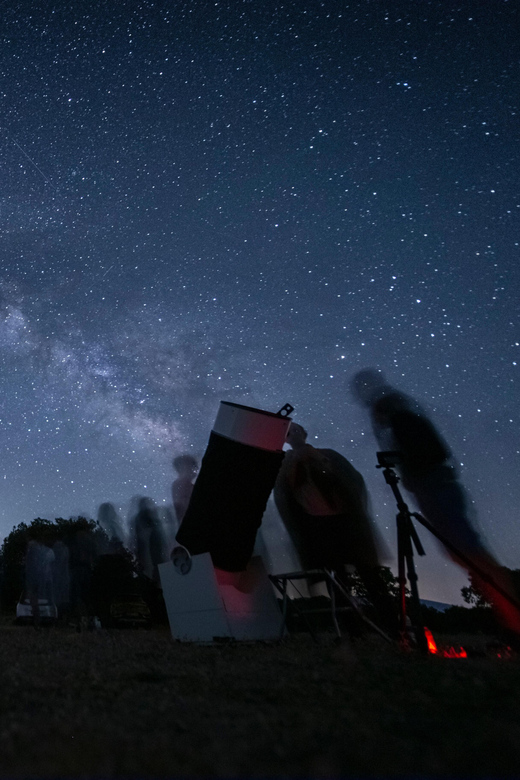
The second part shifts from the broad sky to individual targets through the professional telescope. The exact objects depend on the season, the time of night, and the clarity of the sky, so you should not expect a fixed list of planets or galaxies on every date.
The possible targets cover a wide range. You might look at stars, planets, and moons, then move farther out to star clusters, nebulae, and galaxies. That variety is what makes the telescope worthwhile. A star chart can show you where objects are, but the eyepiece gives you a closer look at the points and shapes the guide has just explained.
Planets and moons are usually easier for newcomers to appreciate because they are familiar names with distinct forms. Galaxies and nebulae offer a different kind of observation. Their appearance can depend heavily on darkness and sky conditions, and they may not look like the bright, colorful images used in books or space photography. The value is in seeing a very distant object with your own eyes and understanding where it sits in the larger sky.
The telescope is described as high quality and professional, but it is still important to keep expectations sensible. A telescope cannot control clouds, haze, or atmospheric conditions. The clearest views come when the sky is clear, and the guide will work with what the night provides.
A phone photograph of the Moon through the telescope is possible when conditions allow. This is a nice extra because it gives you something concrete to take home, though you should treat it as an opportunity rather than a guarantee for every object. The tour also includes a group photo.
What makes Leo’s guiding useful
Leo is the named guide associated with the experience, and the information provided about the session points to a teaching-led approach. The emphasis is not only on placing your eye at the telescope. You first learn what you are looking at, where it is located, and why it matters.
That order makes a difference. If you begin with the telescope, you may see a bright point or blurred shape without much context. If you first learn the constellation and the night sky’s movement, the later observations have a stronger sense of place.
A Spanish-language comment specifically praises Leo’s explanations and describes looking through the telescope as an outstanding part of the evening. Another short comment calls the experience spectacular. Those points suggest that the guide’s ability to explain the subject clearly is one of the strongest reasons to book.
You should still consider your preferred style. This is an educational astronomy tour, not a casual nighttime lookout with a telescope sitting nearby. You will spend time listening, learning star names, hearing constellation myths, and discussing astronomical objects. That suits curious adults, families with older children, and anyone who wants more than a quick look at the Moon.
A completely different sort of day out in Granada:
- Granada: Alhambra Entry Ticket with Audio Guide
★ 4.1 · 5,950 reviews - Fast-Track Alhambra & Nasrid Palaces Guided Tour
★ 4.7 · 4,379 reviews - Skip The Line Alhambra and Generalife Guided Tour
★ 4.0 · 3,825 reviews - Granada: Alhambra Ticket and Guided Tour with Nasrid Palaces
★ 4.7 · 3,496 reviews
The real cost of a $28 evening
At $28 per person, the experience is priced as an accessible introduction to astronomy rather than a full-day excursion. I consider that good value if you are interested in the sky and want a guide, a dark-sky setting, and professional equipment in one short activity.
The price is especially reasonable for visitors who do not have access to a telescope or do not know how to find constellations on their own. You are paying for the explanation as much as for the equipment. A telescope without guidance can leave you unsure what you are seeing, while a guided session turns the observation into a lesson you can use later.
The two-hour duration also fits neatly into an evening in Granada or the surrounding area. It is long enough to cover the constellations and telescope work without requiring a full night away. The return to Mirador del Marquesado keeps the route simple, although you need to arrange your own way to and from the starting location.
Flexible booking adds some practical value. You can reserve and pay later, and cancellation is free up to 24 hours in advance for a full refund. These terms help if your plans around Granada are still changing, but they do not remove the need to check the starting time and weather before you go.
Cold-weather planning at 1,800 meters
Bring warm clothing, even if the day in Andalusia has been hot. Once the sun is gone, mountain temperatures can fall quickly, and you may spend part of the session standing still while looking through the telescope.
A warm jacket is the obvious starting point, but layers are more useful than a single light garment. The provided instructions specifically stress warm clothing for summer as well as winter. You should take that advice seriously.
The cold is not a small detail. If you are uncomfortable, it becomes harder to listen, wait your turn, or focus on a faint object in the eyepiece. Proper clothing lets you enjoy the slow pace that astronomy requires.
The tour location is open and accessible, and the activity is listed as wheelchair accessible. You should still check the exact meeting arrangements if you have specific mobility needs, since the available details do not describe the surface, parking, or route from a vehicle to the viewing area.
Who will enjoy this evening most
I would choose this tour if you want a clear introduction to astronomy without committing to a long excursion. Beginners get the most from the laser-guided constellation lesson, while people with some astronomy experience may appreciate the chance to use professional equipment in a darker mountain setting.
It is also a good choice for families, provided everyone is prepared for the late hour and cold air. Children who enjoy space may like seeing a planet or the Moon through the telescope, though the tour’s educational format requires patience and attention.
Couples and solo visitors can also find it worthwhile, especially if they prefer an activity that is calm and focused rather than noisy or crowded. The group photo gives the evening a shared element without changing the main purpose of the tour.
I would be more cautious if you want guaranteed views of one particular object. The program covers a range of possible astronomical targets, but the exact selection depends on the night sky. Cloud, haze, or seasonal visibility can change what is available.
Language, access, and practical details
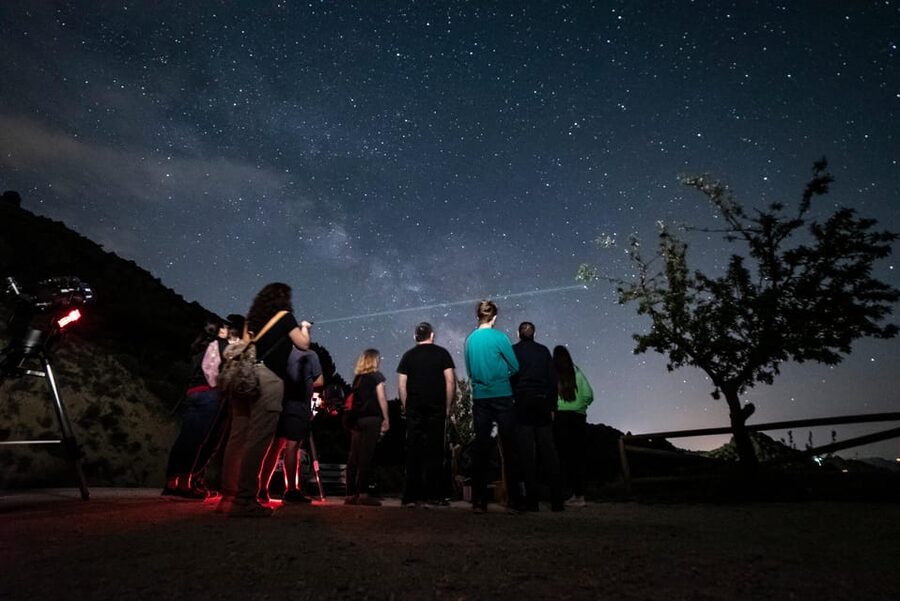
The live tour guide speaks English and Spanish. That makes the astronomy lesson accessible to a broad range of visitors, and the laser demonstration should help reinforce the spoken explanation.
The activity lasts two hours. The starting time changes, so you need to check availability for your chosen date. Since this is a night activity, allow enough time to reach Mirador del Marquesado before the session begins rather than treating it as a quick stop between other plans.
The experience begins and ends at the same meeting point. No hotel pickup or other transport service is listed, so transportation is your responsibility. The available information also does not state a group size, so you should not assume a private tour.
The listed rating is 4.9 from 12 reviews, and the strongest praise centers on the guide’s explanations and the telescope viewing. That is useful context, but the small number of ratings means you should focus more on the tour’s clear features: a dark mountain location, a two-part astronomy lesson, a professional telescope, and a guide working in English or Spanish.
Should you book the Granada Geopark stargazing tour?
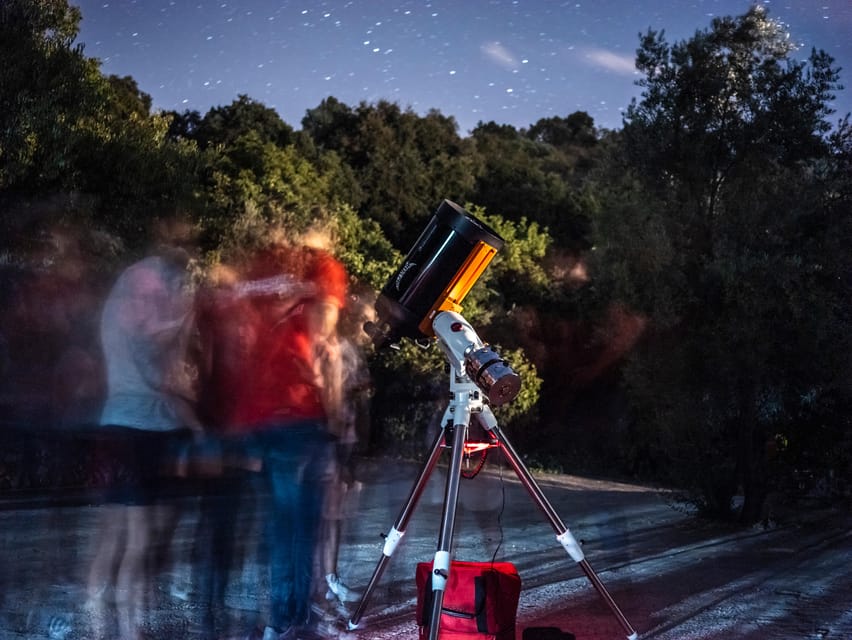
Book it if you want to understand the night sky rather than simply look at it. The astronomical laser, constellation myths, orientation lesson, and telescope session give the evening a clear structure, while the Sierra Nevada location provides darker skies than an urban viewpoint.
At $28, the tour offers a sensible way to try astronomy without buying equipment or arranging a private guide. Leo’s clear teaching and the chance to photograph the Moon add useful personal touches.
Skip it if you dislike cold evenings, need a guaranteed view of a specific planet, or want a fast sightseeing stop with no instruction. For everyone else, bring serious warm layers, arrive ready to stand outdoors, and let the sky determine the final program.
FAQ
Where does the stargazing tour start and finish?
The tour starts and ends at Mirador del Marquesado.
How long does the activity last?
The guided stargazing session lasts two hours.
What languages are available?
The live guide offers the tour in English and Spanish.
What will I learn during the first part?
You will learn to recognize the main stars and constellations, hear constellation myths, and discuss the apparent movement of the sky and orientation using the stars.
What can I see through the telescope?
Depending on the night and sky conditions, you may observe stars, planets, moons, galaxies, nebulae, and star clusters.
Can I take a photo through the telescope?
When possible, you can use your own phone to take a picture of the Moon through the telescope. A group photo is also included.
What should I bring?
Bring warm clothing. Mountain temperatures can drop significantly at night, even during summer.
Just added around Granada
- Granada: Authentic and intimate Flamenco Show with Snacks★ 4.2 · 9 reviews
- Water paths. Private adventure and history tour★ 5.0 · 6 reviews
- Flamenco Show in the Caves of Sacromonte★ 4.5 · 26 reviews
- From Granada: Day Trip to Trevélez with Ham Factory★ 4.6 · 12 reviews
- Guided tour Granada Unexplained★ 5.0 · 5 reviews
- Albaicín and Sacromonte Sunset tour + Flamenco show★ 5.0 · 11 reviews
- Albaicin guided tour with dogs★ 5.0 · 6 reviews
- Guided tour Conspiracy in the Albaicín★ 5.0 · 6 reviews
Tours, compared.
Alhambra & Gardens Tour w/Nasrid Palaces Option
Read our review →
Fast-Track Alhambra & Nasrid Palaces Guided Tour
Read our review →
Skip The Line Alhambra and Generalife Guided Tour
Read our review →
Alhambra Ticket and Guided Tour with Nasrid Palaces
Read our review →
Albaicín and Sacromonte Guided Sunset Walking Tour
Read our review →