
Reviewed · GRANADA CATHEDRAL & ROYAL CHAPEL TOURS
Granada: 3-Hour Cathedral and Royal Chapel Tour
Granada’s grandest Christian monuments tell a story of conquest, faith, royal power, and changing identity. This three-hour walk links the Encarnación Cathedral and Royal Chapel with the old Alcaicería market streets and La Madraza, the first university founded in Granada by Yusuf I. I like the way the tour joins buildings with the city around them, and I like that the guide gives you the background before you enter each major site.
I also like the strong record of guides who explain art, architecture, and royal history in plain English. Cynthia, Estella, Rocio, Abel, Laura, and others are repeatedly praised for clear storytelling and patience. The main consideration is time: three hours is useful for seeing the core sights, but the cathedral is large, and a long explanation of its altars and artwork can make this feel like a serious history lesson rather than a quick city stroll.
Key points at a glance
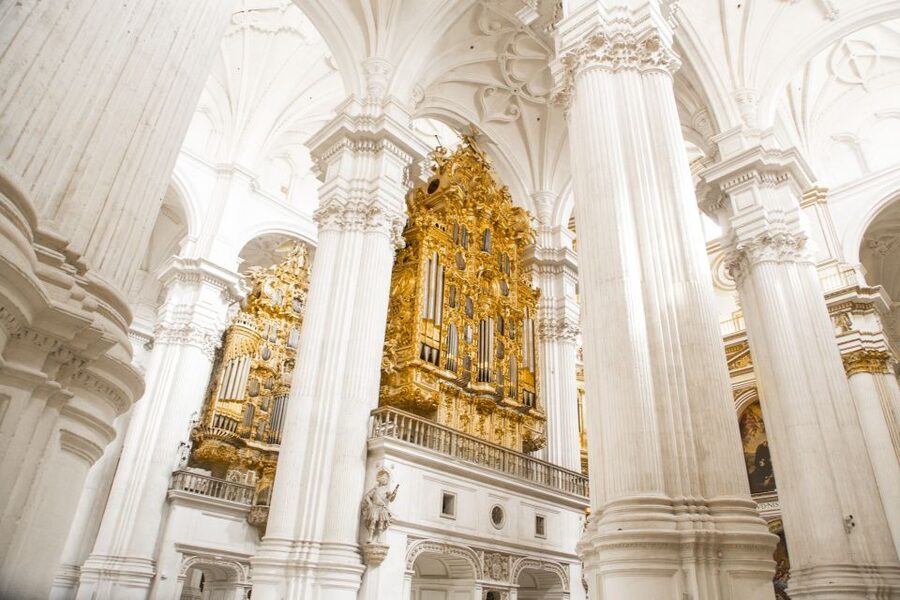
- Cathedral entry included: See Granada’s Encarnación Cathedral with a guide who explains its design, altars, paintings, and religious meaning.
- Royal Chapel visit: Focus on the chapel connected with Spain’s Christian monarchs and the royal story of Granada.
- Alcaicería walk: Pass through old market lanes that add an urban, everyday layer to the monumental churches.
- La Madraza included: Visit the former Islamic school founded by Yusuf I, later used as Granada’s first university.
- Strong guide-led experience: Past guides including Cynthia, Estella, Rocio, Abel, Carmen, Patricia, and Laura have been praised for storytelling, clarity, and historical detail.
- Good booking flexibility: The tour costs $45 per person, lasts three hours, and allows cancellation up to 24 hours before the start for a full refund.
Why this Granada history walk is worth your morning
I see this as a useful first look at central Granada, especially if you want more than attractive interiors and quick photographs. The tour is not only about Christian buildings. It also takes you through Alcaicería and La Madraza, so you get a clearer sense of the city before and after the Christian conquest.
The route is built around contrast. The cathedral represents the Christian power that reshaped Granada after 1492. The Royal Chapel ties that change to the monarchy. The market streets recall Granada’s commercial past, while La Madraza points back to the city’s earlier intellectual and Islamic life.
That mixture gives the walk a stronger purpose than a simple church visit. You are not just looking at walls, chapels, and paintings. You are following how Granada changed hands, changed faith, and kept older layers beneath its newer identity.
The $45 price is reasonable if you value interpretation. Cathedral and Royal Chapel admission are included, and you receive a live guide in English or Spanish. If you prefer to enter quickly, look around silently, and move on, you may find the tour too detailed. If you want someone to explain what you are seeing, the cost is easier to justify.
More Cathedral and Royal Chapel tours:
- Granada: Cathedral and Royal Chapel Private tour with ticket
★ 4.8 · 498 reviews - Granada: Cathedral, Royal Chapel & 5 Monuments Combo Ticket
★ 4.4 · 454 reviews - Granada: Cathedral & Royal Chapel Skip the Line Tour
★ 4.8 · 250 reviews
Meeting at Plaza Bib Rambla
The meeting point is Plaza Bib Rambla, a central square that is easy to use as your starting point in the old city. Look for the guide with the orange umbrella. That detail matters in a busy central square, where finding the right group can otherwise take a few minutes.
Try to arrive with enough time to locate the umbrella without rushing. The activity is a walking tour, and the route connects several nearby parts of central Granada rather than using a bus or other transport.
The guides work in Spanish and English. If you book the English tour, clear explanation matters because the subject is full of names, dates, religious references, and architectural terms. Estella Perez has been singled out for speaking clear, easy-to-follow English, while other guides such as Cynthia and Rocio have been praised for making complex material accessible.
Inside Granada’s Encarnación Cathedral
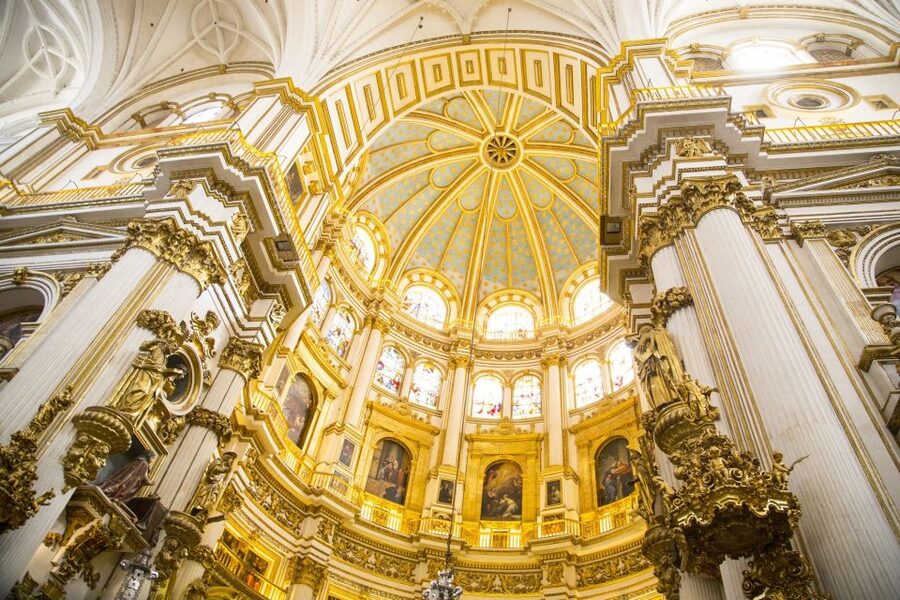
The cathedral is the main visual event of the walk. Its scale can be difficult to grasp if you simply enter alone and begin wandering. A guide helps you notice how the building is organized, where to look for important altars, and why the artwork matters.
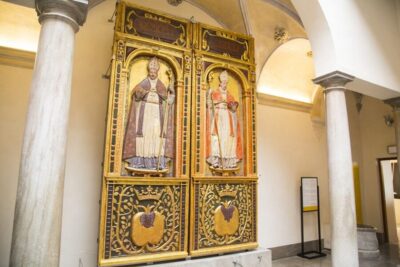
Expect attention to the cathedral’s design, paintings, altars, and religious objects. One particularly useful feature of a guided visit is the chance to ask about details that are easy to miss when you are moving through a large church on your own.
The cathedral is also an excellent place to understand the new Christian order established in Granada. The tour focuses on Christian history, so you will hear how the building fits into the political and religious story of the city. That context gives the interior more meaning than its size and decoration alone.
The tradeoff is pace. One guide may stop at many altars and explain each one in detail, while another may give a broader overview. Past experiences have included long visits and even extra time when the guide wanted to answer questions. That is good news if you enjoy art and history, but you should not expect a quick 30-minute stop.
The Royal Chapel and Granada’s royal story
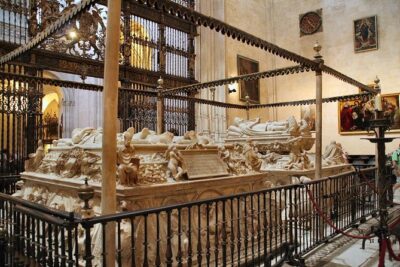
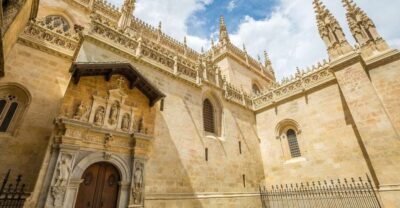
The Royal Chapel is usually the emotional center of the visit. It connects Granada’s Christian history with the Spanish monarchy and gives the tour a more personal focus than the cathedral’s broad religious setting.
Here, the guide explains the building and the meaning of its artifacts. You will hear the royal and Christian story of Spain in the place where that story is presented through architecture, objects, and ceremony. The chapel is smaller in scale than the cathedral, but that can make its details easier to focus on.
Several guides have been praised for making the Royal Chapel especially memorable. Rocio has been described as particularly strong at explaining its significance, while Carmen has been praised for making both the chapel and cathedral impressive through clear storytelling. Patricia has also been noted for explaining the meaning of the artifacts in a fun, easy-to-follow way.
I would pay close attention here, even if you are mainly interested in architecture. The Royal Chapel is where the tour’s political story becomes most direct. It helps explain why Granada mattered so much to the monarchy and why Christian history dominates the center of the modern city.
The chapel may also be the part of the tour that feels most focused. The cathedral offers a large field of artwork and architecture, while the chapel gives the guide a tighter subject. If you have questions, this is a good place to ask them.
A few more Granada tours and experiences worth a look
- Granada: 3-Hour Alhambra and Generalife Gardens Guided Tour
★ 4.7 · 1,304 reviews - Alhambra, Nasrid Palaces, and Generalife 3-Hour Guided Tour
★ 4.4 · 889 reviews - Granada: 3-hour Historical Tour by Segway
★ 5.0 · 104 reviews - Granada 3-hour Tapas Tour
★ 5.0 · 89 reviews
Walking through the Alcaicería
After the major religious sites, the route passes through the Alcaicería streets. This change of setting is welcome. You move from formal interiors to narrow commercial lanes, where Granada’s old market character becomes easier to picture.
The walk here provides a link between monuments and daily city life. You are not only seeing where royal and religious history happened. You are also passing through an area shaped by trade and urban activity.
Do not expect a long independent shopping session. The purpose is historical, and the tour keeps moving toward La Madraza. Still, the Alcaicería adds texture to the route and breaks up the time spent inside churches.
This portion is also useful for orientation. If you are staying in Granada’s center, you will pass through streets you may later revisit on your own. The guide can help you understand how the market area fits into the old city, rather than leaving you with a series of disconnected sights.
La Madraza, from Islamic school to university
The final major stop is La Madraza, described as the first university created in Granada by Yusuf I. Its presence gives the tour an important balance. The experience does not present Granada only through the buildings that followed the Christian conquest. It also points to the city’s earlier Islamic intellectual life.
That makes La Madraza more than an extra stop at the end. It changes the way you understand the whole route. After hearing about the cathedral and Royal Chapel, you encounter a place tied to a different period and tradition. The result is a more layered picture of Granada.
The timing at the end can work in your favor. By then, the guide has already explained the Christian transformation of the city, so you can place La Madraza within a wider sequence of events. If the cathedral and chapel are the main reasons you booked, La Madraza is the historical counterpoint that makes the itinerary more complete.
The final walk can also be a chance to ask follow-up questions. Some guides have allowed time for questions and photographs during the route, though the exact pace depends on the group and the guide.
The guides make or break the experience
The strongest feature of this activity is the quality of the guide. Names that appear repeatedly in highly positive feedback include Cynthia, Estella, Rocio, Abel, Carmen, Patricia, Laura, Roberto, and Cintia. Their styles differ, but the consistent strengths are clear explanations, enthusiasm, patience, and a talent for turning dates into stories.
Cynthia is praised for academic depth, personal analysis, and a willingness to answer many questions. Estella is noted for clarity, humor, and a strong grasp of Spanish royal history. Rocio is repeatedly associated with passion, a good pace, and the ability to make Granada’s past feel alive.
Abel has been praised for covering subjects beyond the cathedral and chapel, which can be a bonus if you want wider context. Laura is described as presenting the material like a story, while Carmen is recognized for combining strong information with an engaging manner.
The experience can vary with group size. Some tours have been close to private, including one-to-one visits, while another was described as a larger group that required careful organization. A small group gives you more room for questions and makes it easier to linger over an artwork. A larger group may feel less personal, though a capable guide can still keep everyone together.
If you have a strong interest in art, religion, or Spanish history, tell the guide early. A good guide can often adjust the emphasis, and the past record suggests that questions are welcome.
Pace, length, and practical comfort
Three hours is a serious block of sightseeing. The walking itself is not the only factor. You will spend time standing inside the cathedral, Royal Chapel, and La Madraza while listening to explanations.
I would avoid placing another major timed activity immediately afterward. The tour may finish close to its stated three-hour length, but the pace can stretch when the group has questions or when a guide spends extra time on the artwork. One past one-to-one tour ran beyond the expected time, which sounds useful if you want detail but less convenient if you have a tight schedule.
The activity includes skip-the-ticket-line access, cathedral admission, Royal Chapel admission, and the guide. Those inclusions reduce the need to arrange separate tickets and make the $45 easier to assess. The value is strongest when you would otherwise pay for entry and then want an expert explanation inside.
This is not the best choice for someone who wants a relaxed café morning with only a quick look at the city center. It suits you better if you prefer a planned route and want the main historical sights tied together in one sitting.
Who should book this tour?
I would recommend it to first-time visitors who want a clear introduction to central Granada’s Christian monuments. It is also a good fit if you have limited time and want to combine the cathedral, Royal Chapel, Alcaicería, and La Madraza without working out the route yourself.
History students, architecture fans, and visitors curious about the religious changes that shaped Granada will get the most from it. The guides focus on background, artifacts, paintings, royal connections, and the meaning behind the buildings, not just their appearance.
Families may also like the storytelling approach, especially with guides who use humor and keep explanations clear. The three-hour length could feel long for young children, though the change between interiors and street walking helps.
I would think twice if you dislike guided commentary or want to photograph everything at your own speed. You will have chances to look and ask questions, but the group follows a set route and the guide remains central to the experience.
Booking details and flexibility
The tour costs $45 per person and lasts three hours. It is offered in Spanish and English, with starting times available according to the date you select.
You can cancel up to 24 hours in advance for a full refund. You can also reserve now and pay later, which is helpful if your Granada plans are still shifting. Meet at Plaza Bib Rambla and look for the orange umbrella.
Should you book the Cathedral and Royal Chapel Tour?
Book it if you want Granada’s central monuments explained as part of one connected story. The strongest reasons are the included admission, the range of stops, and the record of guides who bring unusual detail and personality to the visit.
I especially like that the tour does not stop at the cathedral and Royal Chapel. The Alcaicería and La Madraza help you see Granada as a city shaped by more than one faith and more than one era.
Skip it if you prefer independent sightseeing or if three hours of detailed commentary sounds tiring. For most first-time visitors who want context, the $45 is a fair price for a focused introduction, particularly when you get a strong guide such as Cynthia, Estella, Rocio, Abel, Patricia, or Laura.
FAQ
How long does the Granada Cathedral and Royal Chapel Tour last?
The tour lasts three hours.
What sights are included?
The route includes Granada’s Encarnación Cathedral, the Royal Chapel, the Alcaicería streets, and La Madraza, described as the first university created in Granada by Yusuf I.
Are admission tickets included?
Yes. Cathedral and Royal Chapel tickets are included in the $45 per-person price.
Where is the meeting point?
Meet at Plaza Bib Rambla. The guide waits with an orange umbrella.
What languages are available?
The live tour guide is available in Spanish and English.
Can I cancel the tour for a refund?
Yes. You can cancel up to 24 hours in advance for a full refund. You can also reserve the tour and pay later.
Just added around Granada
- Granada: Authentic and intimate Flamenco Show with Snacks★ 4.2 · 9 reviews
- Water paths. Private adventure and history tour★ 5.0 · 6 reviews
- Flamenco Show in the Caves of Sacromonte★ 4.5 · 26 reviews
- From Granada: Day Trip to Trevélez with Ham Factory★ 4.6 · 12 reviews
- Guided tour Granada Unexplained★ 5.0 · 5 reviews
- Albaicín and Sacromonte Sunset tour + Flamenco show★ 5.0 · 11 reviews
- Albaicin guided tour with dogs★ 5.0 · 6 reviews
- Guided tour Conspiracy in the Albaicín★ 5.0 · 6 reviews
Granada Cathedral & Royal Chapel Tours, compared.
Cathedral and Royal Chapel Private tour with ticket
Read our review →
Cathedral, Royal Chapel & 5 Monuments Combo Ticket
Read our review →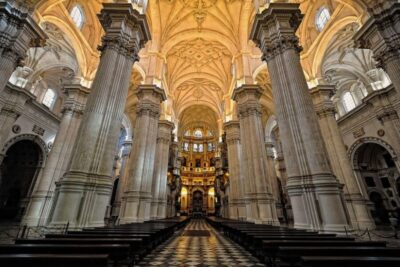
Cathedral and Royal Chapel Guided Tour with Tickets
Read our review →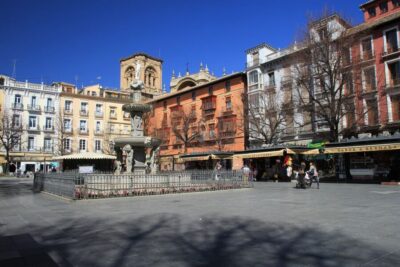
Cathedra&Royal Chapel & Albaicín skip the line Tour
Read our review →Browse the lists this tour appears in