
Reviewed · ALHAMBRA NASRID PALACES TOURS
Alhambra and Nasrid Palaces Private Sensory Tour
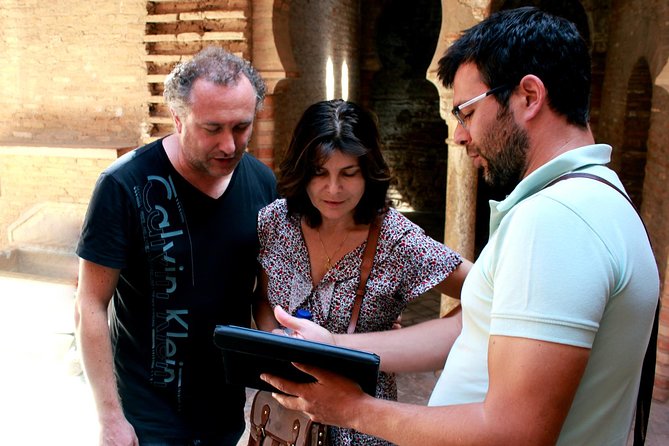
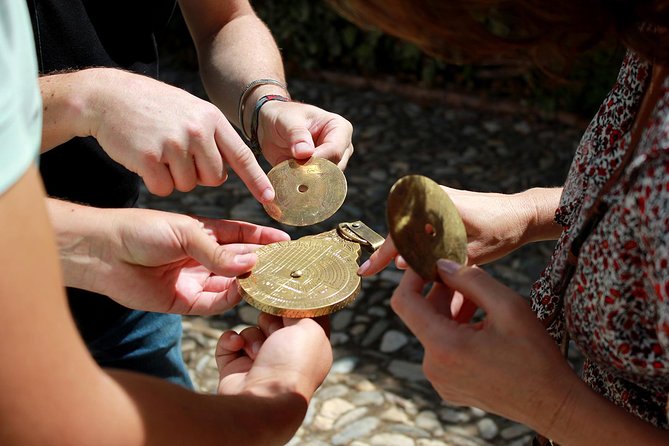
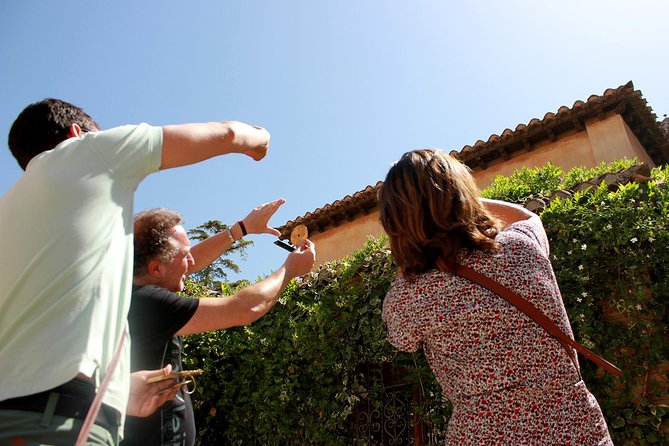
The most striking part of this private Alhambra tour is its sensory angle. You do not only hear about Nasrid rule, palace life, and Islamic design. You also handle items linked to daily life in the Nasrid period and taste Arabic pastry, small details that can make the past feel less distant.
I like the private format, which lets your guide adjust the pace and explain the ornate tile work without a large crowd pressing in. I also like the chance to see the Alhambra as a complete royal and military complex, from the delicate palaces to the stern Alcazaba. The main thing to watch is the timing: the experience is advertised at about three hours and 30 minutes, while the listed stop times add up to longer, so confirm the schedule before booking.
Key points to know before you book

- Private guiding keeps the visit personal: Only your own group takes part, with an English-speaking local guide.
- The sensory touches add variety: You handle Nasrid-era daily-life objects and sample Arabic pastry.
- The Nasrid Palaces are the main prize: See the Mexuar, Palace of Comares, Palace of the Lions, and their famous courtyards and halls.
- You cover the whole Alhambra complex: The route includes the Generalife gardens and military Alcazaba as well as the palaces.
- Timed entry matters: Alhambra access is tightly managed, and the order of the visit can change.
- The price buys privacy and guidance: At $253.43 per person, this is a premium choice rather than a budget visit.
Why the private format matters at the Alhambra
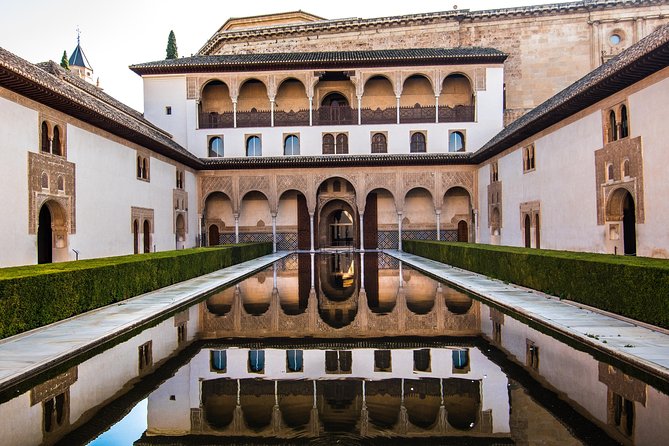
The Alhambra is not one single building. It is a hilltop complex of fortifications, palaces, gardens, courts, and former living quarters. Without context, you can admire the walls and water channels but miss how the place worked as a royal city.
A private guide gives you someone to connect the pieces. You can ask why a plain defensive tower sits near a room covered in delicate decoration, or how a courtyard helped shape the experience of a palace. Your guide can also focus on what interests your group, instead of following a fixed script for a large crowd.
The tour is offered in English and uses a single-use headset so you can hear the guide clearly. That matters in courtyards and open spaces, where sound can scatter. It is also useful when the guide is explaining details while the group is moving between rooms.
One guide named in past bookings is Antonio. His approach was described as informative, humorous, and easy to follow, with the several-hour visit feeling shorter than expected. That combination matters here. The Alhambra contains a lot of names, dates, rulers, and architectural terms. A guide who can keep those facts lively is worth paying for.
More Nasrid Palaces tours:
- Granada: Alhambra & Nasrid Palaces Tour with Tickets
★ 4.7 · 19,801 reviews - Granada: Alhambra & Gardens Tour w/Nasrid Palaces Option
★ 4.5 · 6,437 reviews - Fast-Track Alhambra & Nasrid Palaces Guided Tour
★ 4.7 · 4,379 reviews
The Alhambra hill gives you the big picture
The Alhambra rises on a rocky hill beside the River Darro, with mountains and woods around it. Its reddish outer walls hide the refined spaces inside. That contrast is one of the pleasures of the visit: from the outside, the complex looks defensive and imposing; inside, you find courtyards, carved stucco, tile patterns, and carefully controlled views.
The site began as a military area. After the Nasrid kingdom was established in the mid-13th century, it became the residence of Granada’s rulers and their court. The first palace was built by Muhammad ibn Yusuf ibn Nasr, better known as Alhamar, the founder of the Nasrid dynasty.
Your guide helps explain this change from fortress to royal city. The high walls and towers protected the hill, while the interior held royal residences, administrative rooms, military quarters, and homes for people who served the court. The old medina, or court city, once contained houses of both noblemen and ordinary residents. What you see today is only part of that former community, but the layout gives you a sense that the Alhambra was more than a collection of pretty rooms.
Admission to the Alhambra is included, and the tour is designed to help you enter without waiting in the standard line. Do not read that as a guarantee that you can ignore every timed-entry rule. The Alhambra Trust can alter the order of the visit or restrict access to certain areas. If that happens, the route is adapted without reducing the planned visiting time.
The Nasrid Palaces reward a slow look
The Nasrid Palaces were the habitual residence of Granada’s kings. Their rooms are not grand because they are filled with furniture. Their power comes from proportion, light, water, inscriptions, tile work, carved surfaces, and the way one space leads into another.
The first section is the Mexuar, the oldest hall in the group. It was used for meetings between the king’s ministers and as a courtroom. This is a useful reminder that the palace was a working seat of government, not only a private home. Decisions were made here, officials gathered here, and royal authority was presented through architecture.
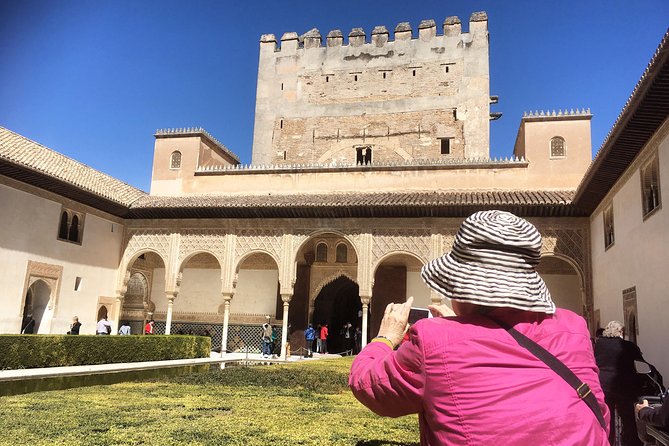
Next comes the Palace of Comares, built in the time of Yusuf I around the Courtyard of the Myrtles. The courtyard gives the palace a calm center, with water and ordered lines guiding your eye. The side passages lead toward the Hall of Ambassadors and the Hall of the Boat.
The Hall of Ambassadors occupies the Tower of Comares. It was designed to impress, but the effect is not simply about size. The room’s decoration, height, and controlled openings create a formal setting for royal audiences. Ask your guide to point out how the architecture manages movement and attention. The room works because every part directs you toward the presence of the ruler.
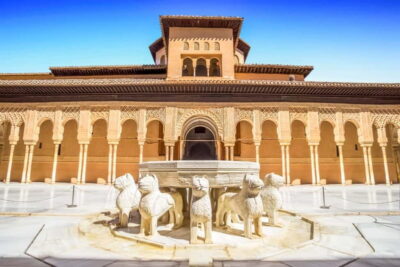
The Palace of the Lions belongs to the time of Muhammad V. Its central Courtyard of the Lions is one of the Alhambra’s best-known spaces, but do not rush through it for a quick photograph. The halls around it show how the palace moved between public ceremony, private residence, and courtly life.
The route includes the Hall of the Mocarabes, the Hall of the Kings, the Hall of the Two Sisters, and the Hall of the Ajimeces. From there, you reach the Daraxa viewpoint. The Hall of the Abencerrajes and the Harem complete the palace sequence.
This is where the sensory part of the tour can help. You may hear about the texture and use of objects associated with Nasrid daily life, then handle selected items rather than only looking at walls behind a rope. The Arabic pastry tasting adds a small food connection to the visit. It will not turn the tour into a cooking class, but it gives you another way to connect palace life with ordinary habits.
The biggest drawback is that the palaces can feel dense with information. You will see many rooms in a short time, and the ornate decoration can blur together if you hurry. A private guide helps, but you still need to stay attentive to the entry schedule. Access to the Nasrid Palaces is especially time-sensitive, and the operator may move the order of the stops if the available slot changes.
Generalife gardens offer a quieter change
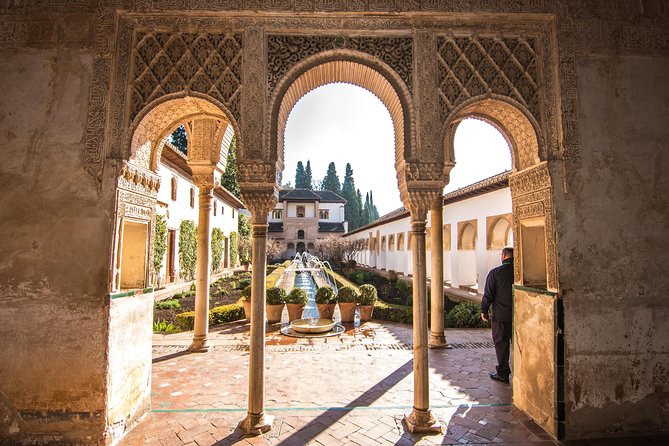
The Generalife is a series of gardens with relatively few intrusive buildings. After the decorated palace rooms and heavy stone walls, the gardens give your eyes a rest.
The value here is not just greenery. The gardens show another side of royal life, with open air, water, planted spaces, and places designed for retreat. The route is planned for about 20 minutes, enough to appreciate the layout and enjoy a change of mood, but not enough for a long garden visit.
Look for the way the garden experience differs from the palaces. The Nasrid rooms control your view through doors, courtyards, and framed openings. The Generalife gives you a more open setting, with surprises appearing as you move around corners. Your guide can help you see this as part of the royal complex rather than a separate attraction.
More ways to see the Alhambra:
- Granada: Alhambra & Generalife Fast-Track Guided Tour
★ 4.7 · 8,313 reviews - Granada: Alhambra Entry Ticket with Audio Guide
★ 4.1 · 5,950 reviews - Skip The Line Alhambra and Generalife Guided Tour
★ 4.0 · 3,825 reviews - Granada: Alhambra Ticket and Guided Tour with Nasrid Palaces
★ 4.7 · 3,496 reviews
The Alcazaba explains the Alhambra’s military side

The Alcazaba is the clearest reminder that the Alhambra began as a fortress. Its purpose was military, and its design is more direct than the Nasrid Palaces.
The entrance was located near the Tower of Homage. At the base of the tower, a slight slope and an L-shaped walkway kept the main gate hidden from anyone approaching from outside. This is a small but revealing detail. The entrance was not meant to welcome visitors with a grand view. It was designed to slow and control access.
The Alcazaba helps complete the story of the site. The palaces show how the Nasrid rulers lived and governed. The Generalife shows their garden retreat. The Alcazaba shows the defensive system that protected both.
Allow about 30 minutes for this section. The route involves a hilltop complex and should suit people with moderate physical fitness. You will be walking through an old site with changes in level, so comfortable shoes are a sensible choice. The meeting point is at Paseo de la Sabica 15, and the activity returns there at the end. Pickup and drop-off are not included.
Is $253.43 per person good value?
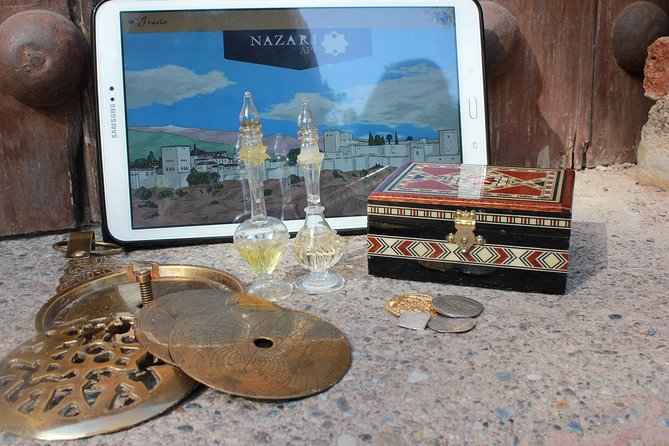
At $253.43 per person, this is not an inexpensive way to see the Alhambra. You are paying for a private experience, a local English-speaking guide, included admission, headset support, the sensory materials, and pastry tasting.
The value improves if you are a family or small group that wants one guide focused only on you. A large public tour can cost less, but it may give you less room to ask questions or pause over details. Here, your guide can explain the tile work, daily-life objects, courtyards, and military design in a way that matches your interests.
Group discounts are available, so check how the final price changes with your party size. For a couple on a tight budget, the cost may feel steep. For a family that wants a structured visit and does not want to manage the Alhambra alone, the private format can justify the premium.
The 4.8 rating from 79 published ratings, with 95 percent recommending the experience, supports the idea that the guiding is its strongest feature. The praise centers on clear explanations, humor, and the way the visit keeps moving. That is especially important for a three-hour-plus tour with several major sections.
Timing, tickets, and details that can affect your day
The advertised duration is approximately three hours and 30 minutes. Yet the listed time for the Alhambra is four hours, followed by 40 minutes at the Nasrid Palaces, 20 minutes at the Generalife, and 30 minutes at the Alcazaba. Those figures do not match the headline duration, and the Alhambra time may include the other stops. I would confirm the exact schedule before paying, especially if you have a later train, meal, or another booked activity.
The tour is often booked about 28 days ahead. That is a useful planning clue for a high-demand site, although it is not a guarantee that every date requires that much notice. The supplier notes that if your chosen Alhambra time is unavailable, a new slot may be assigned.
You must provide each participant’s full name, date of birth, and passport details when booking. The Alhambra may deny entry if the required information is missing. Check those details carefully before submitting them.
The experience is non-refundable and cannot be changed for any reason. That makes early booking a commitment, not a casual hold. Since the operator may change the order of the visit, leave some flexibility around the tour rather than scheduling something immediately afterward.
There is a small inconsistency in the equipment details. The inclusions mention single-use headsets, while the exclusions mention headphones. Ask the supplier what audio equipment is supplied on your date. The guide may also be able to clarify how the sensory objects and tasting fit into the route.
Who will get the most from this Alhambra visit?
I would choose this tour if you want the Alhambra explained rather than simply photographed. It suits first-time visitors who want the main complex in one organized visit, families who benefit from a private pace, and anyone who likes connecting architecture with food and everyday objects.
It is also a good fit if you care about the difference between the palace, garden, and fortress sections. Many quick visits focus almost entirely on the Nasrid Palaces. This route gives you the wider story, including the Alcazaba’s defensive role and the Generalife’s gardens.
You may prefer a cheaper group tour if price matters more than privacy. You may also want a shorter or more flexible plan if several hours of walking, scheduled palace access, and a fixed meeting point do not suit your day.
Should you book this private sensory tour?
Book it if you want a guide-led Alhambra visit with a personal feel and more than visual sightseeing. The strongest reasons are the private group, included access, clear audio support, Arabic pastry tasting, and hands-on objects tied to Nasrid daily life. Antonio’s praised mix of humor and solid explanations suggests the guiding can make a complicated site easier to follow.
Before booking, confirm the actual duration, the entry time, and the headset detail. Make sure every participant’s identification information is correct, and remember that the payment cannot be refunded or amended. If those conditions work for you, this is a thoughtful, full-picture way to see Granada’s most important monument.
FAQ
Where does the Alhambra private tour begin?
The tour begins at P.º de la Sabica, 15, Centro, 18009 Granada, Spain.
Where does the activity end?
The activity ends back at the meeting point.
How long does the tour last?
The advertised duration is approximately three hours and 30 minutes. The detailed stop timings add up to longer, so confirm the exact schedule with the supplier.
Which parts of the Alhambra are included?
The experience includes the Alhambra complex, the Nasrid Palaces, the Generalife gardens, and the Alcazaba.
Is admission included?
Yes. Admission tickets for the listed stops are included.
Is this a private activity?
Yes. Only your group participates in the private tour.
What information is required when booking?
The Alhambra requires the full name, date of birth, and passport details for every participant.
Can I cancel or change the booking?
No. The experience is non-refundable and cannot be changed for any reason.
Just added around Granada
- Granada: Authentic and intimate Flamenco Show with Snacks★ 4.2 · 9 reviews
- Water paths. Private adventure and history tour★ 5.0 · 6 reviews
- Flamenco Show in the Caves of Sacromonte★ 4.5 · 26 reviews
- From Granada: Day Trip to Trevélez with Ham Factory★ 4.6 · 12 reviews
- Guided tour Granada Unexplained★ 5.0 · 5 reviews
- Albaicín and Sacromonte Sunset tour + Flamenco show★ 5.0 · 11 reviews
- Albaicin guided tour with dogs★ 5.0 · 6 reviews
- Guided tour Conspiracy in the Albaicín★ 5.0 · 6 reviews
Alhambra Nasrid Palaces Tours, compared.
Alhambra & Gardens Tour w/Nasrid Palaces Option
Read our review →
Fast-Track Alhambra & Nasrid Palaces Guided Tour
Read our review →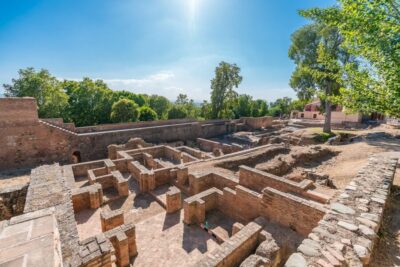
Alhambra Ticket and Guided Tour with Nasrid Palaces
Read our review →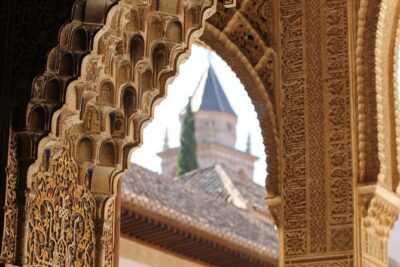
Alhambra & Generalife Skip the line Small Group including Nasrid Palaces
Read our review →
Alhambra Guided Tour with Nasrid Palaces & Gardens
Read our review →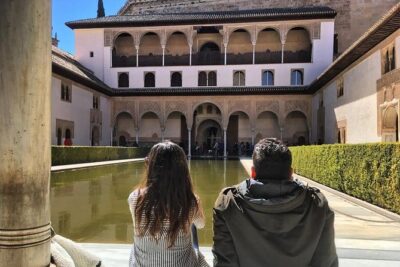
Alhambra &Charles Palace Guided Tour with Optional Nasrid Palaces
Read our review →
Tour of Alhambra, Generalife, and Nasrid Palaces
Read our review →Browse the lists this tour appears in