
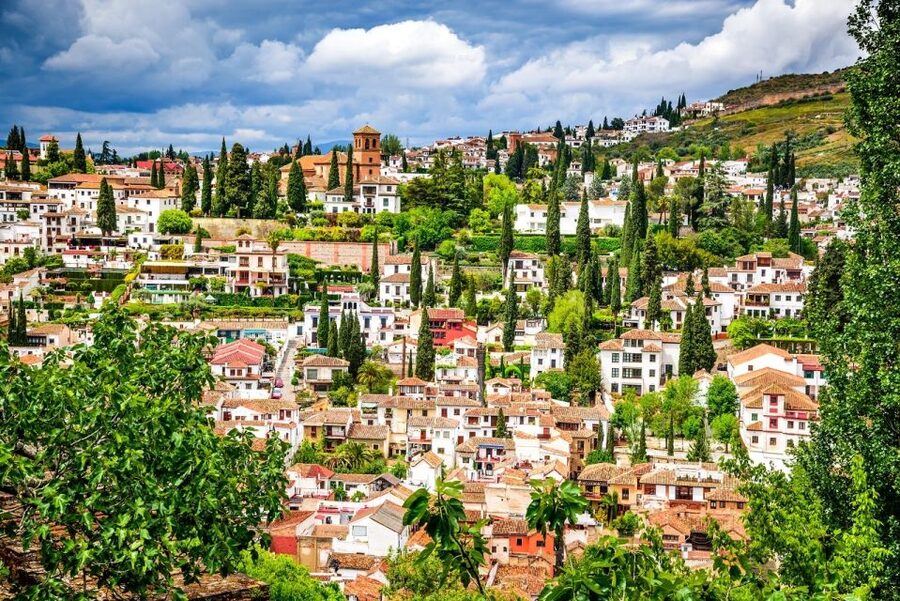
Reviewed · ALBAICíN & SACROMONTE WALKING TOURS
Granada: Albaicín and Sacromonte Walking Tour
Granada’s best views come with a price: uphill streets, steps, and uneven paving. This 2 to 2.5-hour walk takes you through the Albaicín’s whitewashed lanes and into Sacromonte, where cave homes and flamenco traditions tell a different part of the city’s story.
I like two things here. First, the route gives you the history behind places you could easily miss alone. Second, the Alhambra views from Plaza de San Nicolás and Sacromonte make the climbing worthwhile. The main drawback is simple: this is not a gentle stroll. If hills and stairs are hard for you, choose another way to see these neighborhoods.
Key points at a glance
- See Granada’s finest Alhambra views: Plaza de San Nicolás is the main photo stop, with further viewpoints along the route.
- Walk through two distinct quarters: Albaicín brings Moorish lanes, gates, and white houses; Sacromonte brings cave homes and flamenco culture.
- Hear the story behind the streets: Guides explain the last Muslim kingdom of the Iberian Peninsula, local legends, and the meeting of Islamic and Gypsy cultures.
- Plan for a serious uphill walk: Comfortable shoes are essential, and wet paving can be slippery.
- Pay a modest price for useful context: At $18 per person, the tour offers a practical introduction before you explore Granada on your own.
- Choose your language carefully: The tour runs in one selected language, English, French, or Spanish.
Why this Granada walk is worth your time
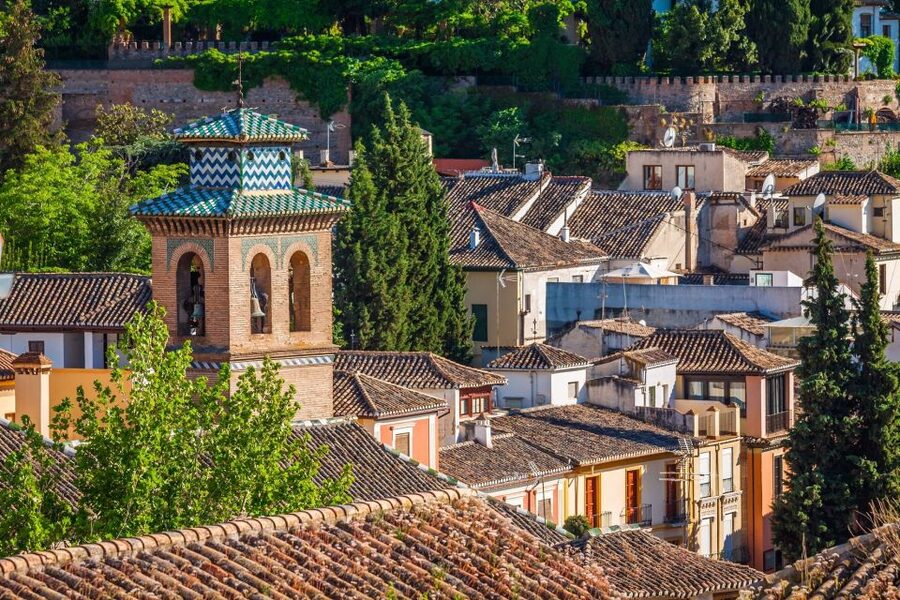
Albaicín and Sacromonte are easy places to admire and surprisingly hard places to understand without help. The streets twist, rise, narrow, and change character quickly. A guide gives you the thread that ties the views, walls, legends, and homes together.
I especially like this tour as an early activity in Granada. It helps you get your bearings before you return on your own. One guide, Rita, reportedly ended the walk with restaurant and flamenco suggestions, while other guides have offered food lists and practical advice about evening entertainment. That kind of local orientation can save you from spending your first night wandering without a plan.
The tour has a 4.5 rating from 665 bookings, with repeated praise for guides including Maria, Carmen, Francesco, Eduardo, Fernando, Chema, and Paula. The strongest pattern is clear: the guide makes the experience. A good guide turns a pretty walk into a story about power, religion, migration, architecture, and daily life.
More walks through the Albaicin and Sacromonte:
- Granada: Albaicín and Sacromonte Guided Sunset Walking Tour
★ 4.9 · 2,962 reviews - Sacromonte: Flamenco Show at Cuevas Los Tarantos Tickets
★ 4.5 · 2,051 reviews - Albaicin & Sacramonte Electric Bike Tour in Granada
★ 5.0 · 1,044 reviews
Starting at Plaza Isabel la Católica
Meet behind the Monument of the Capitulations in Plaza Isabel la Católica, near the statue of Queen Isabella I and Christopher Columbus. This central starting point is easy to pair with other sightseeing in Granada, and the tour finishes back in the same square.
The opening stop at Plaza Isabel la Católica takes about 10 minutes. Your guide sets the stage for Granada’s major historical shift, from the Muslim kingdom of Granada to the Christian rule that followed. This context matters because the route is not just a walk through old buildings. It shows how one city carried parts of its earlier culture into a new political age.
You will walk toward Plaza Nueva for roughly 20 minutes. Expect the guide to explain how the center connects with the older quarters above it. This first section also lets the group settle into its pace before the streets become steeper.
Entering the Albaicín by narrow lanes
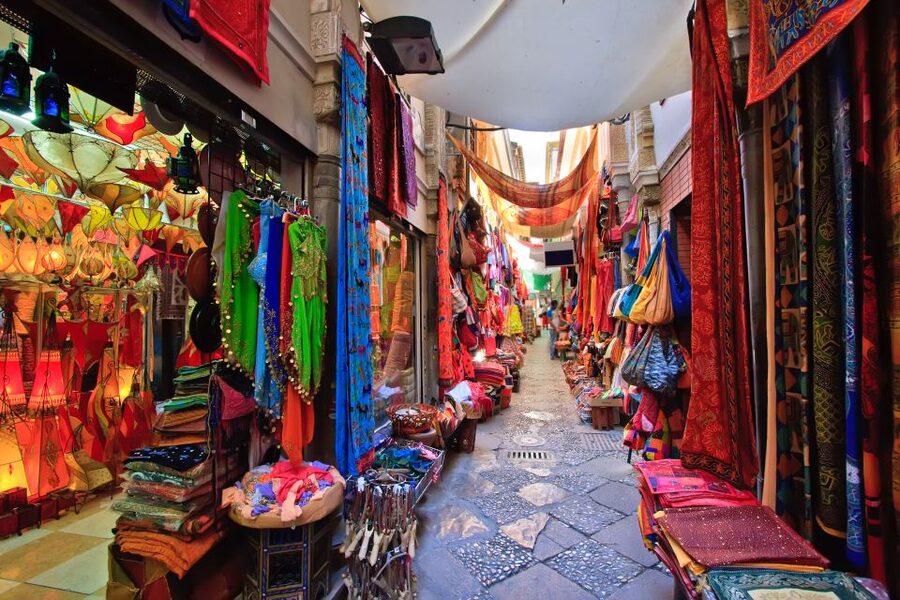
From Plaza Nueva, the route turns into smaller streets, including Callejón del Aljibe de Trillo and Placeta Comino. These are the sort of corners you might pass without noticing if you were following a map alone.
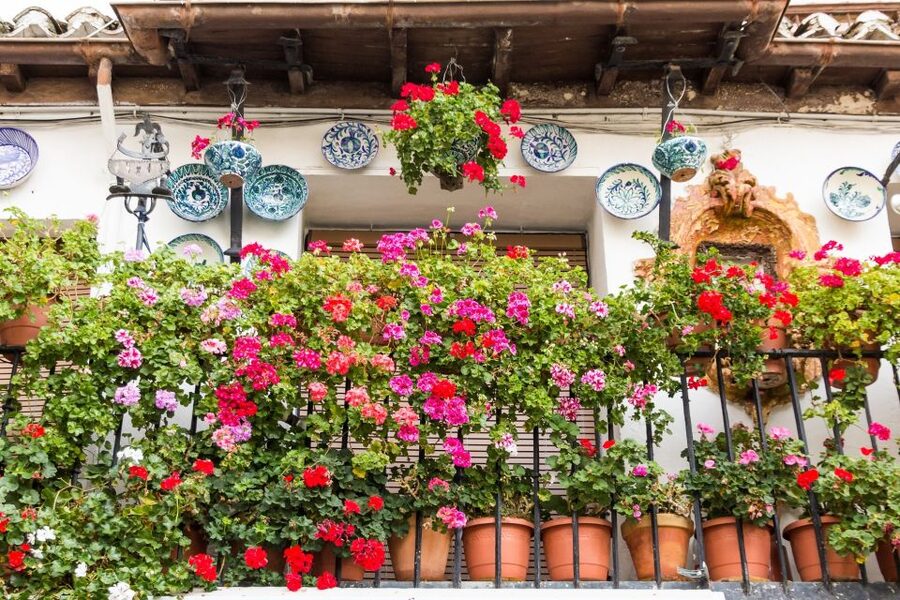
The Albaicín is known for its white houses, flower-filled balconies, narrow alleys, and traces of its Moorish past. The charm is not only visual. The layout reflects an older way of building a neighborhood, with lanes that offer shade, sudden turns, and glimpses into quiet courtyards.
At Callejón del Aljibe de Trillo, the name points toward the importance of water in Granada’s older quarters. Your guide can help you notice details such as traditional water systems, walls, and surviving architectural fragments that are easy to overlook.
Placeta Comino provides another pause before the route climbs farther. These short stops matter. The walk is active, and the best guides use each pause for a story rather than rushing from one landmark to the next.
Plaza de San Nicolás and the Alhambra view
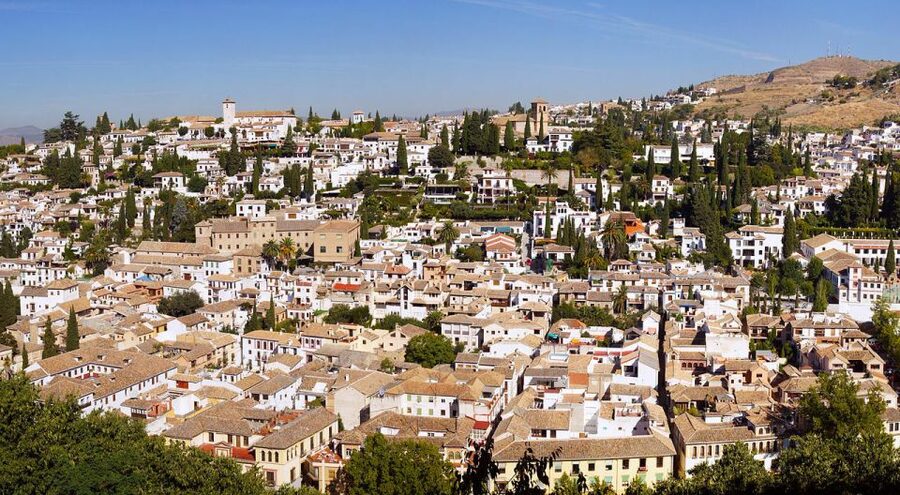
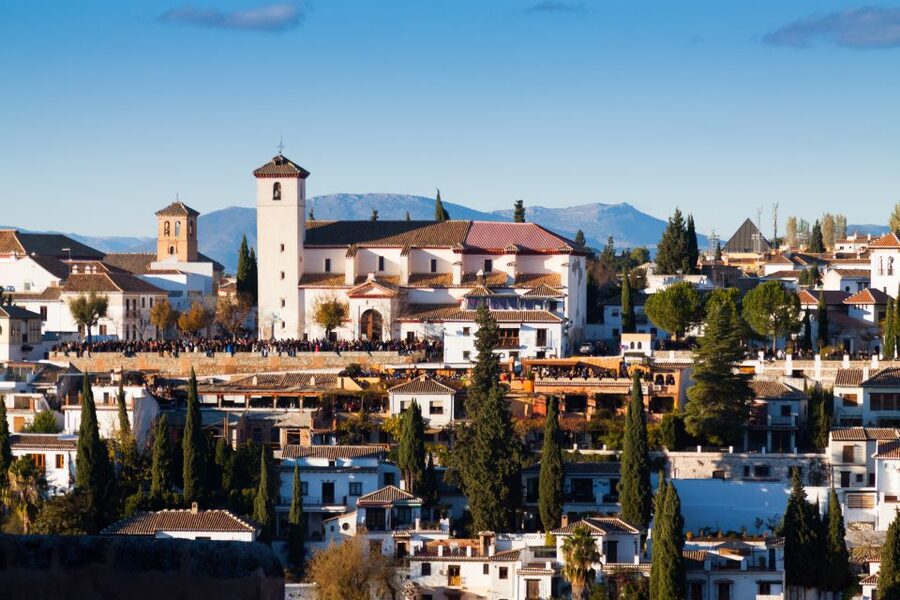
Plaza de San Nicolás is the signature stop. You have about 20 minutes for a visit and photo break, which gives you time to take in the view rather than snatch one quick picture.
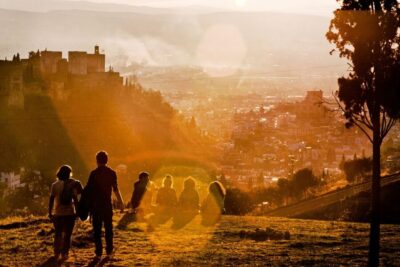
From here, the Alhambra sits across the valley with the Sierra Nevada behind it when conditions allow. The view is famous, but a guide adds useful detail. You learn how the Alhambra relates to the Albaicín, why this hill mattered, and how the city’s Muslim rulers used the terrain around Granada.
This is also one of the best places to stop for photographs, so keep your camera ready. Guides such as Maria have been praised for offering to take pictures, and several have adjusted the pace so people could enjoy the viewpoints without feeling hurried.
The square can be one of the busiest points on the route, but the tour’s value is not simply reaching the famous overlook. Your guide explains what you are seeing, helping you read the city rather than just photograph it.
More walking tours in Granada:
- Guided Walking Tour of the Alhambra in Granada
★ 4.0 · 863 reviews - Granada: Albaicín and Sacromonte 2.5-Hour Walking Tour
★ 4.7 · 777 reviews - Granada’s Hidden Treasures: Albayzin and Sacromonte Walking Tour
★ 4.5 · 575 reviews - Granada: Walking Food Tour
★ 4.8 · 460 reviews
Puerta de las Pesas and Plaza Larga
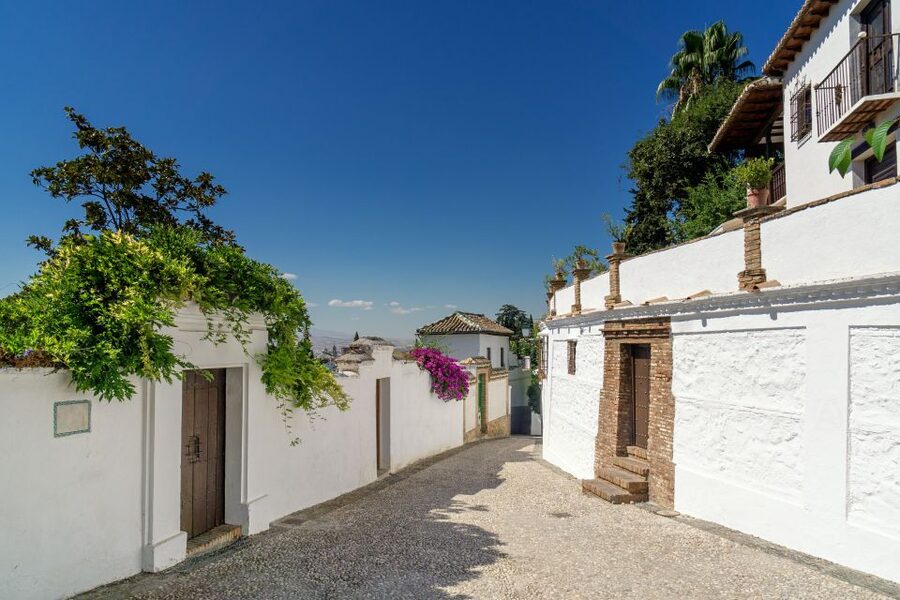
The route continues to Puerta de las Pesas, an old entrance associated with the Albaicín’s defensive past. Remains such as gates and walls show that this was once a fortified quarter, not merely a scenic residential district.
You then reach Plaza Larga, another useful pause in the neighborhood. The square helps you see how the Albaicín works as a living quarter, with everyday streets and gathering places alongside historic remains.
This section can feel more rewarding with a guide because the details are not always grand. You may see an old wall, a gate, or a change in street level without knowing why it matters. The guide supplies the missing background and points out how the old Muslim quarter still shapes the route.
The climb continues, but the listed stop times are short. You should expect frequent pauses for explanation, photos, and questions. Small groups make that easier. Several bookings describe intimate groups where people could ask questions and follow the guide’s pace.
Sacromonte’s caves and Gypsy culture
From the Albaicín, the tour moves into Sacromonte, the quarter most closely linked with cave homes and flamenco in Granada. The route allows about 25 minutes here, making it one of the most important sections of the walk.
The caves are dug into the hillsides and have long been used as homes. Your guide explains why Gypsy communities settled here and how the area developed its own identity. This is an important part of the experience because it moves beyond the usual Moorish-Christian story and introduces the social history of Granada’s Gypsy culture.
The subject deserves a thoughtful explanation. The best guides connect the cave homes with work, family life, settlement, and the traditions that shaped Sacromonte. Carmen, described as an art historian, has been praised for bringing Granada’s history and Gypsy culture to life through stories and personal perspective.
You may see cave entrances and the white façades built into the hillsides. The route does not promise a full interior tour of a cave, so think of this as an introduction to the quarter and its homes rather than a dedicated cave museum visit.
Sacromonte also links directly to flamenco. Guides often provide suggestions for flamenco performances at the end, which is useful if you want to continue the evening with music. The tour itself is a walking and history experience, not a flamenco show, so any performance would be separate.
Cuesta del Chapiz and the descent
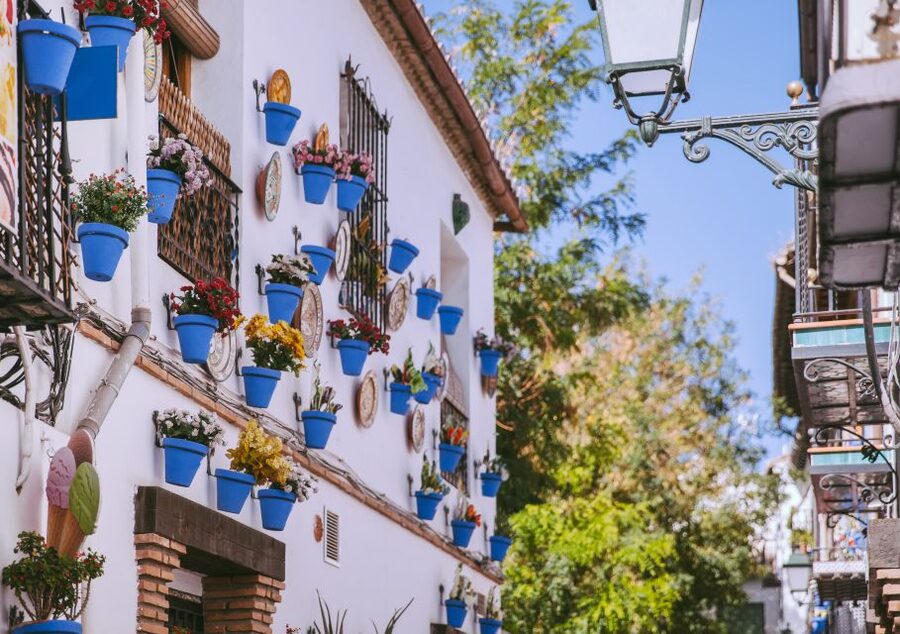
Cuesta del Chapiz brings another short visit and a change in the route. By this point, you have climbed through Albaicín and Sacromonte, so the descent is welcome, though downhill streets can be just as awkward as uphill ones when paving is uneven.
Wear shoes with a firm sole. One booking specifically noted that wet pavement could become slippery, and several people stressed the need for flat, comfortable footwear. Sandals with poor grip are a bad choice here.
The guide’s pacing makes a real difference. Francesco was praised for keeping a comfortable rhythm on steep slopes and stairs, while another guide was noted for stopping so people could drink, rest, and take photographs. That does not remove the physical effort, but it makes the route more manageable.
Paseo de los Tristes and Carrera del Darro
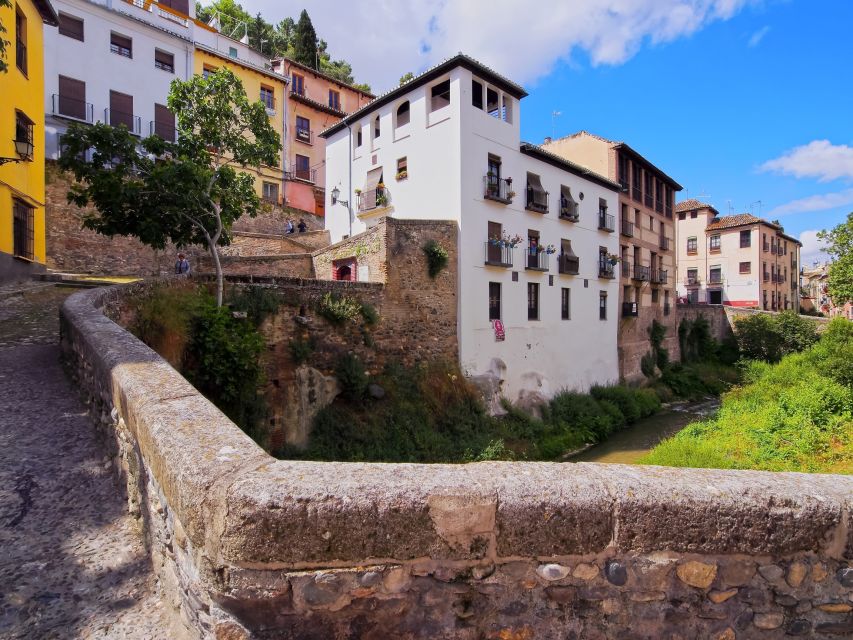
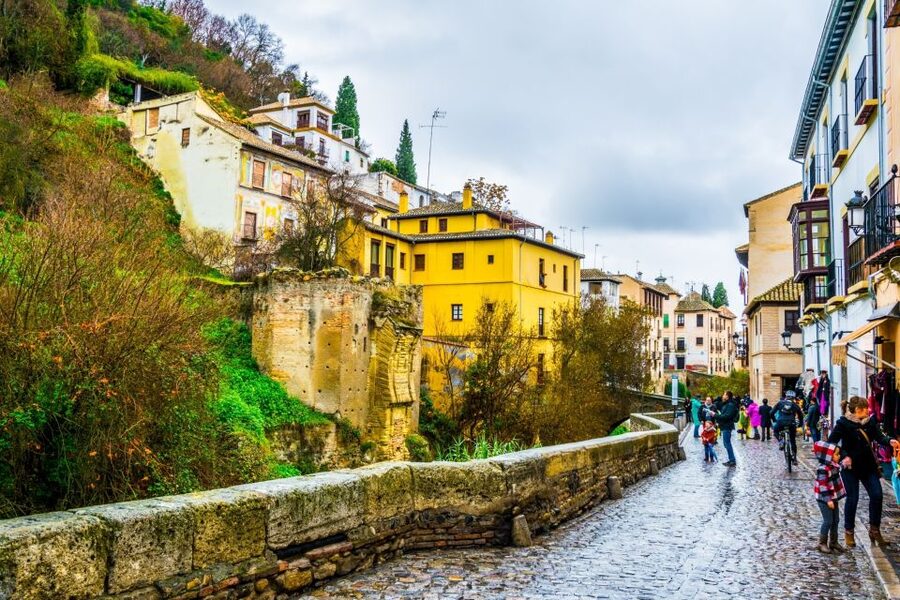
The route continues toward Paseo de los Tristes for about 15 minutes. This attractive stretch follows the Darro River beneath the Alhambra and gives you a different view of the city after the high quarters.
The mood changes here. The hilltop lanes give way to a more open route, with the Alhambra rising above and the river corridor drawing you back toward central Granada. It is a good place to connect the neighborhoods you have just seen with the city below.
The final section follows Carrera del Darro for around 10 minutes. This is one of Granada’s most atmospheric streets, with historic buildings, water, stone, and views toward the Alhambra. Your guide can help you understand how the river route connects the Albaicín with the center.
The tour returns to Plaza Isabel la Católica. Since it starts and ends in the same central area, you can easily continue to dinner, a restaurant recommendation from your guide, or a separate evening activity.
The physical effort and who should book
You need to treat this as an active urban hike, not a flat city walk. The route includes steep slopes, stairs, uneven surfaces, and plenty of up-and-down walking. It takes place rain or shine.
The supplied information says the tour is not suitable for wheelchair users or people with mobility impairments. A booking also noted that it would not suit anyone with even slight mobility problems. At the same time, other bookings describe guides helping people who needed physical assistance and making safety a priority. Both points can be true: the staff may be considerate, but the route itself remains demanding.
Bring water, sunglasses, a sun hat, sunscreen, and comfortable clothes. There is no transport, food, or drink included. Large bags, luggage, baby strollers, pets, and flash photography are not allowed, so arrive with a small day bag.
The walk may suit families with older children who can handle the hills. One booking described a mixed-age group that included a child, but the route’s difficulty should still guide your decision.
What $18 gets you
At $18 per person, this is a strong-value way to understand two of Granada’s most distinctive quarters. You are paying for an official live guide, not admission to a monument or transport between sights. That distinction matters.
The route covers a lot in a short time: central Granada, the Albaicín, an Alhambra viewpoint, old gates, Plaza Larga, Sacromonte, the Darro River, and the return to the center. You also get explanations of Islamic and Gypsy cultures, local legends, architecture, and the city’s political past.
The best value comes if you use the tour as a foundation. Afterward, you can return to the lanes you liked, revisit a viewpoint at a different time, or choose a flamenco show with a better sense of the neighborhood. At this price, the tour is less about luxury and more about saving time and avoiding a superficial walk.
You can cancel up to 24 hours ahead for a full refund, and the reserve-now, pay-later option keeps your plans flexible. Starting times vary, so check availability when booking. The tour is conducted in one language, the language selected at reservation.
Which guide and language should you choose?
The guide changes from departure to departure, so you cannot count on one particular person. Still, the names repeatedly associated with strong experiences include Maria, Carmen, Francesco, Eduardo, Fernando, Chema, Paula, Alejandra, Lorene, and Fran.
English, French, and Spanish are available. Select carefully because the group uses one language throughout the walk rather than switching between languages.
The most praised qualities are clear speech, humor, patience, historical detail, and a genuine connection to Granada. Maria was noted for clear English and practical food advice. Carmen was praised for her lively storytelling and art history background. Francesco was valued for his pacing, while Eduardo was singled out for explaining details that could otherwise remain hidden.
Should you book the Albaicín and Sacromonte walk?
Book it if you want a compact introduction to Granada’s older quarters, strong Alhambra views, and a guide who can explain how Islamic, Christian, and Gypsy cultures shaped the city. It is especially useful on your first day or two, before you explore Albaicín and Sacromonte independently.
Skip it if hills, stairs, or uneven paving will make the walk unpleasant. Also skip it if you want a slow, private visit inside several cave homes, since this is a group walking tour with an overview of Sacromonte.
For most reasonably mobile visitors, $18 is a sensible price for the route, the stories, and the orientation. Wear proper shoes, bring water, and save room in your evening for a flamenco recommendation.
FAQ
Where does the tour begin?
It begins at Isabel la Católica Square in Granada, behind the Monument of the Capitulations, near the statue of Queen Isabella I and Christopher Columbus.
Where does the tour finish?
The walk returns to Plaza Isabel la Católica.
How long does the tour last?
The tour lasts about 2 to 2.5 hours.
Which neighborhoods does the route visit?
It visits the Albaicín and Sacromonte, then continues through Cuesta del Chapiz, Paseo de los Tristes, and Carrera del Darro before returning to the starting point.
What languages are available?
The live guide can conduct the tour in English, French, or Spanish.
Is the tour suitable for wheelchair users?
No. The tour is not suitable for wheelchair users or people with mobility impairments because it includes steep streets, stairs, and uneven surfaces.
What should I bring?
Bring comfortable shoes, water, sunglasses, a sun hat, sunscreen, and comfortable clothing.
Are food, drinks, and transport included?
No. Food, drinks, and transport are not included.
Can I cancel the booking?
Yes. You can cancel up to 24 hours in advance for a full refund. You can also reserve now and pay later.
Just added around Granada
- Granada: Authentic and intimate Flamenco Show with Snacks★ 4.2 · 9 reviews
- Water paths. Private adventure and history tour★ 5.0 · 6 reviews
- Flamenco Show in the Caves of Sacromonte★ 4.5 · 26 reviews
- From Granada: Day Trip to Trevélez with Ham Factory★ 4.6 · 12 reviews
- Guided tour Granada Unexplained★ 5.0 · 5 reviews
- Albaicín and Sacromonte Sunset tour + Flamenco show★ 5.0 · 11 reviews
- Albaicin guided tour with dogs★ 5.0 · 6 reviews
- Guided tour Conspiracy in the Albaicín★ 5.0 · 6 reviews
Albaicín & Sacromonte Walking Tours, compared.
Albaicín and Sacromonte Guided Sunset Walking Tour
Read our review →
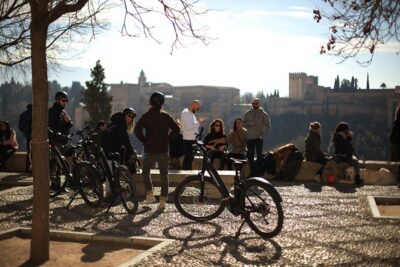
Albaicin & Sacramonte Electric Bike Tour in Granada
Read our review →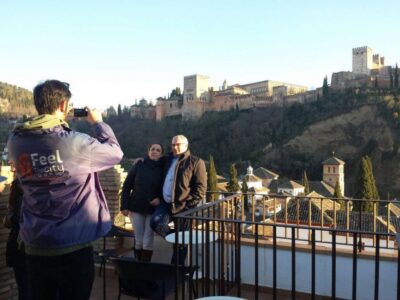

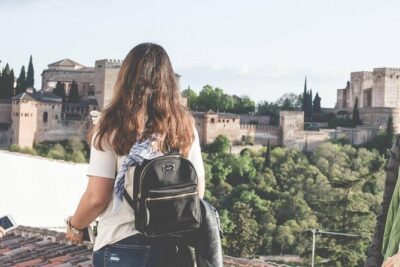
Granada’s Hidden Treasures: Albayzin and Sacromonte Walking Tour
Read our review →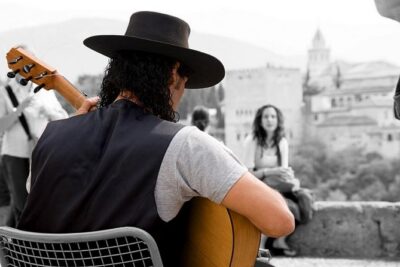
Albayzín y Sacromonte, Unesco Heritage Neighborhoods
Read our review →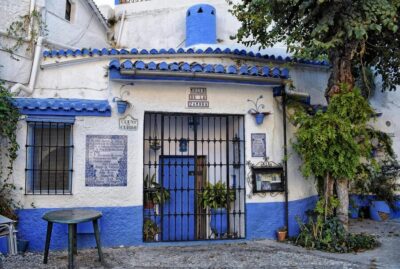
Albaicín, Sacromonte & Museum of Caves Walking Tour
Read our review →Browse the lists this tour appears in