
Reviewed · GRANADA FOOD TOURS
Granada: Walking Food Tour
Granada’s food story is served one stop at a time: cured ham from the Alpujarras, regional wines, olive oil, tapas, and dishes shaped by Roman, Berber, Sephardic, and Nasrid traditions. This 3.5-hour walk moves through central Granada, family businesses, old taverns, and restaurants, ending with a proper meal rather than a few token bites.
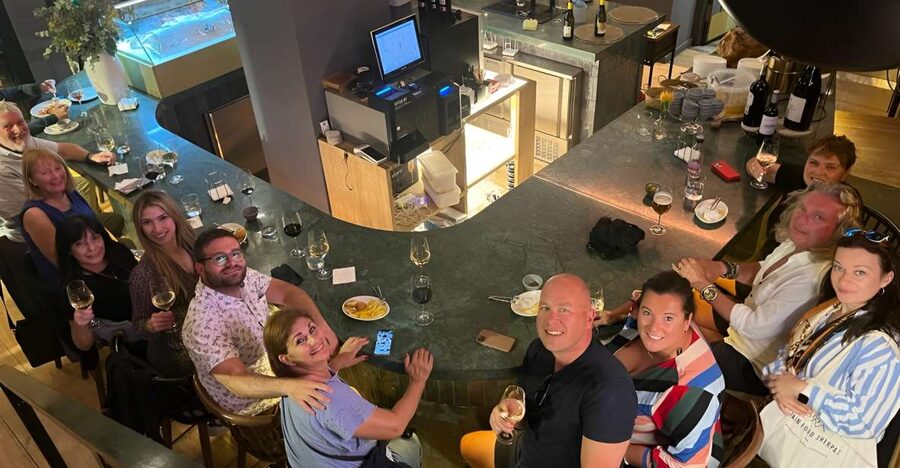
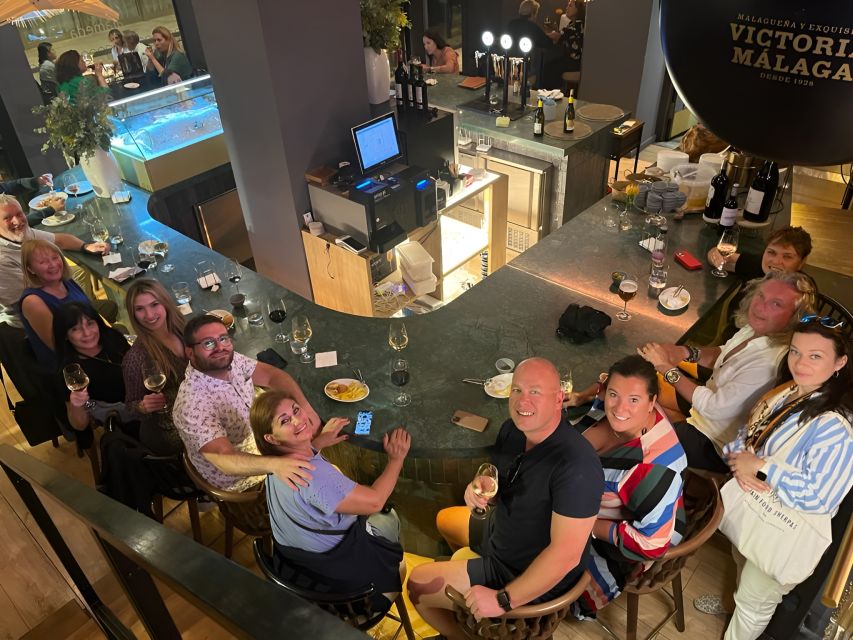
I like the small group of up to 10, which gives guides such as Katia, Laura, Bruce, Marcel, and others room to answer questions. I also like the generous food allowance: ham, cheese, wine, vermouth, tapas, desserts, and full dishes can replace lunch or dinner. The main drawback is that the route is not suitable for wheelchair users, and Saturday evening departures do not include the Iberian ham tasting.
Key points to know before booking
- Three and a half hours of eating and walking: Plan for a full lunch or dinner, not a quick snack crawl.
- Ham is a central lesson: Compare Serrano from Granada with Andalusian Iberian ham and learn how mountain air helps cure it.
- Chikito adds cultural weight: This historic restaurant once drew local artists, writers, and poets.
- Guides bring different strengths: Katia has restaurant experience, while Laura, Bruce, Marcel, Kate, Emma, and Molly have been praised for food, wine, history, and easy conversation.
- The stops reach beyond tapas: Expect olive oil, spices, turrón, sweets, vermouth, local wine, and regional recipes.
- Book early in your stay if possible: The guide’s final restaurant tips can help shape the rest of your time in Granada.
Granada’s food story begins with ham
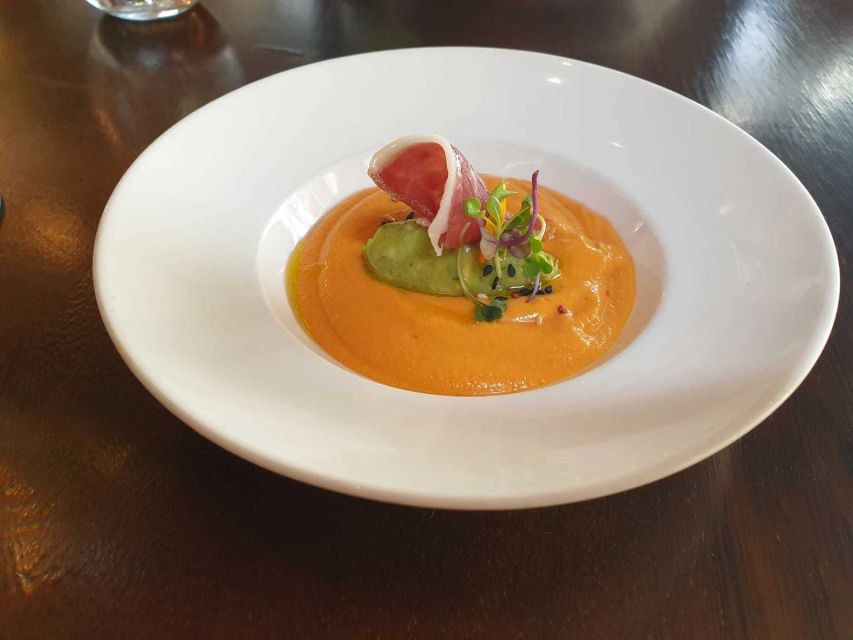
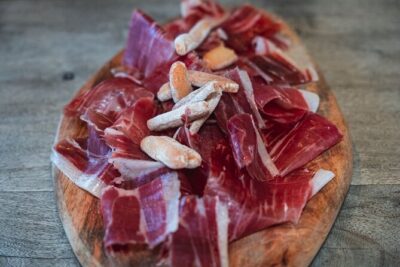
The most useful part of this food walk is the explanation behind what you are eating. Granada’s cured ham is not just a plate of thin pink slices. You learn how ham is made in mountain villages of the Alpujarras, where cool air from the Sierra Nevada helps the curing process.
The tasting can include Serrano ham from Granada and the more prestigious Iberian ham produced in Andalusia. That comparison matters. You get a clearer sense of why the products differ in price, flavor, texture, and reputation instead of simply being told which one is the better buy.
Ham is only one thread. Your guide also explains how Granada’s cooking took shape through Roman, Sephardic, Berber, and Nasrid influences. You may hear how ingredients, cooking methods, and trade routes helped form the food you see in shops and on restaurant tables today.
I like this approach because the history stays connected to the plate. You are not stopping for a lecture and then eating something unrelated. The food gives the history a job to do.
More food tours in Granada:
- The Granada Evening Tapas Crawl by Food Lover Tour
★ 5.0 · 54 reviews - Tapas&Tours with Leo – Tasting Culture and History
★ 5.0 · 35 reviews - Granada in EVOO: Olive grove guided tour and sensory tasting
★ 4.8 · 26 reviews
A walking route through central Granada
The tour begins at the kiosk beside Teatro Isabel La Catholica, on the Casino sidewalk near Puerta Real. Arrive five minutes early. The operator allows a maximum of 15 minutes after the scheduled start, so this is not the moment to rely on a slow café breakfast or a last-minute taxi.
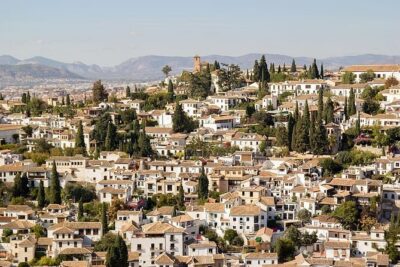
From there, the route takes you through central Granada on foot. The exact order of stops can vary, but the experience is built around family-run businesses, tapas bars, restaurants, and specialty food shops. That mix makes the walk more useful than a simple run through three restaurants.
You might stop at an old tavern, browse a spice shop, visit a sweets business, or pass through the souk area. One reported route included turrón and herb shopping stops. Another included a local olive oil shop where the group learned how oil is made and tasted several types.
These shopping stops are small but valuable. They show you what Granada’s food culture looks like between meals. If you find an oil, spice, or sweet you like, you can return later and buy it without a group waiting outside.
The walking is part of the meal, but this is still a food-first outing. If you want a long architectural walking tour with only occasional tastings, choose something else. If you want to connect streets, shops, bars, and dishes, the format works well.
Tapas, taverns, and a real evening meal
Granada is famous for tapas, but a good tapas experience needs context. Your guide explains what you are eating, how it fits local habits, and how the restaurant or bar differs from the next stop.
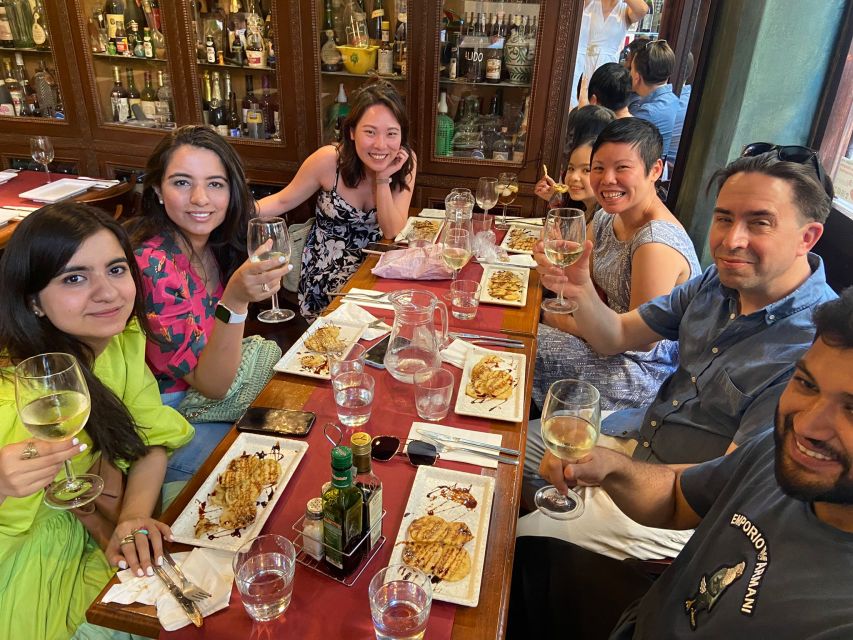
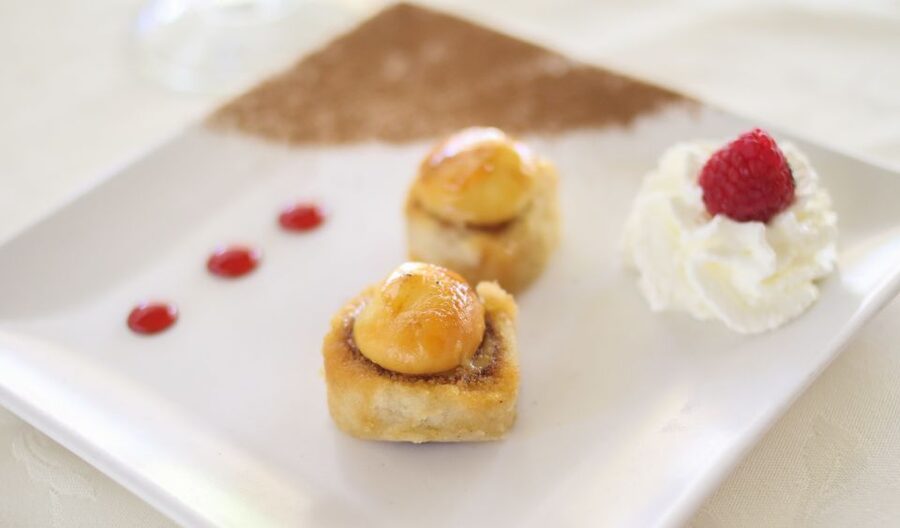
The food can include local ham, cheese, croquettes, pork, regional recipes, and other small dishes. Specific foods praised during the tour include oxtail croquettes, pork with saffron, queso de cerdo, and presa ibérica. These are more substantial than the standard quick bite, and the portions are intended to add up to lunch or dinner.
The wine pairings are another strong point. You may try wines from the Granada region, along with drinks such as tinto de verano and vermouth. Additional drinks are not included, so if you decide to continue ordering after the planned tastings, expect to pay separately.
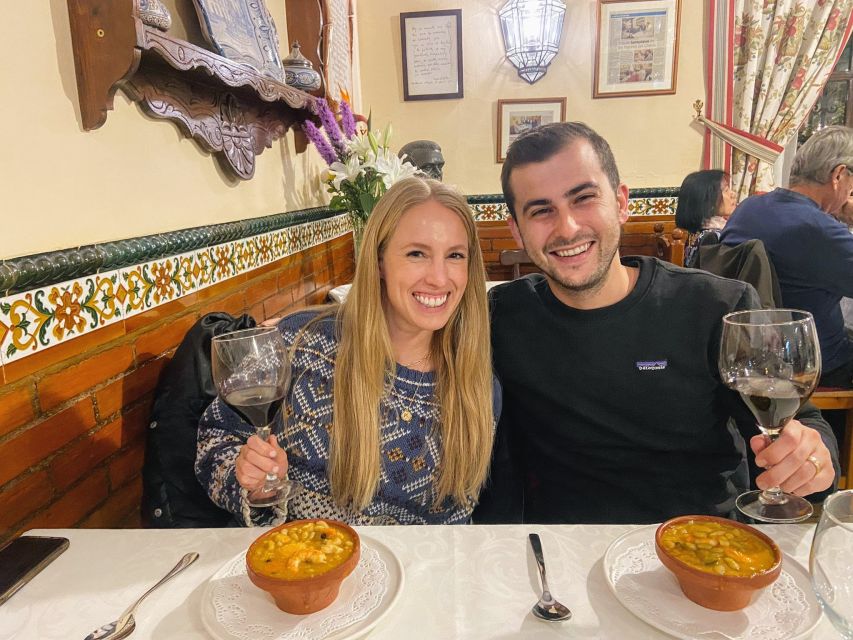
I appreciate that wine is explained rather than treated as background decoration. You learn about the region’s production and why a particular drink works with the dish in front of you. Non-drinkers should still find plenty to do. One family with children and no interest in wine enjoyed the food, olive oil lesson, shops, and local history without treating the wine as the whole point.
The result is usually a full meal. Several people found they did not need dinner afterward, and that makes the $82 price easier to assess. You are paying for food, drinks, a guide, and access to places you might not identify on your own.
Chikito and Granada’s literary table
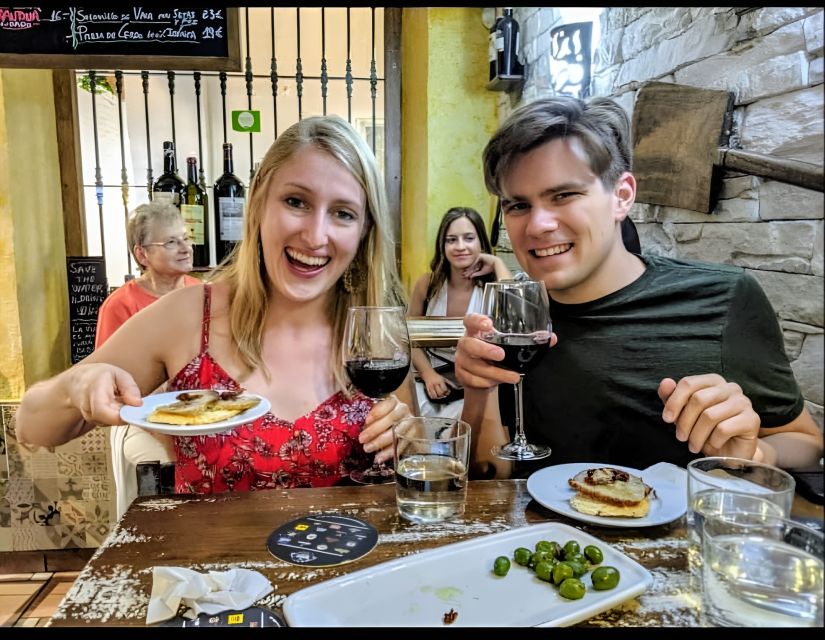
Chikito restaurant gives the tour a clear cultural anchor. The restaurant is known for its connection to local artists, writers, and poets who met there in the early 1900s.
That detail changes how you see the stop. You are not simply entering another dining room for another plate. You are eating in a place linked to Granada’s creative life, while your guide explains how food and conversation have long overlapped in the city.
Dishes at Chikito can include regional preparations such as presa ibérica or pork with saffron, depending on the menu and the day. The supplied details do not promise one fixed dish at every departure, so treat individual plates as examples rather than guarantees.
This is one reason to avoid judging the tour only by its restaurant count. The point is not to collect as many stops as possible. It is to understand why a particular tavern, restaurant, shop, or dish belongs in Granada’s food story.
More food and drink tours in Granada:
- Wine Tasting in Granada
★ 5.0 · 25 reviews - Old Granada Market & Food Tasting Tour
★ 5.0 · 13 reviews - Albayzín: Granada’s Albayzín Tour with Food Tasting
★ 4.9 · 9 reviews - Granada: Tapas Tasting Guided Tour
★ 3.8 · 6 reviews
The guides shape the whole evening
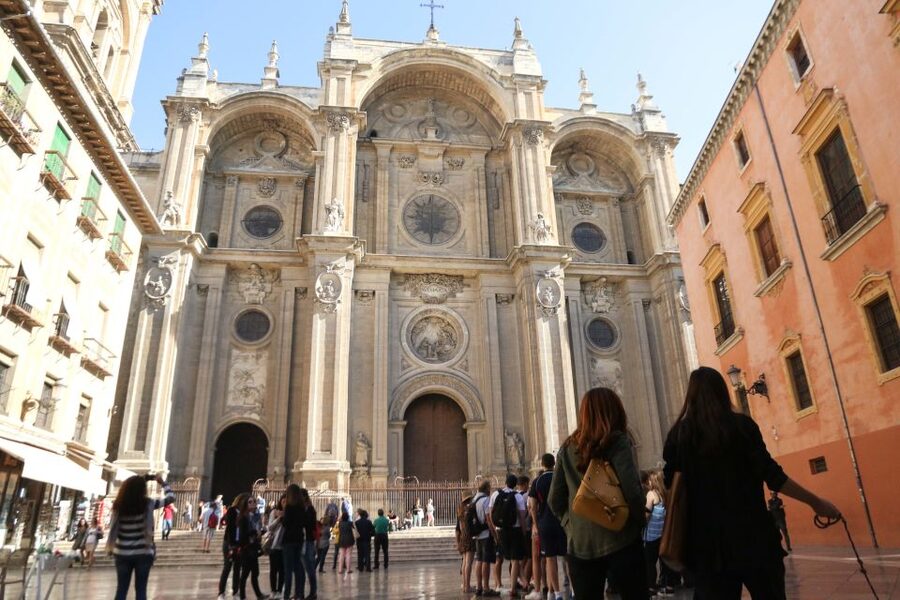
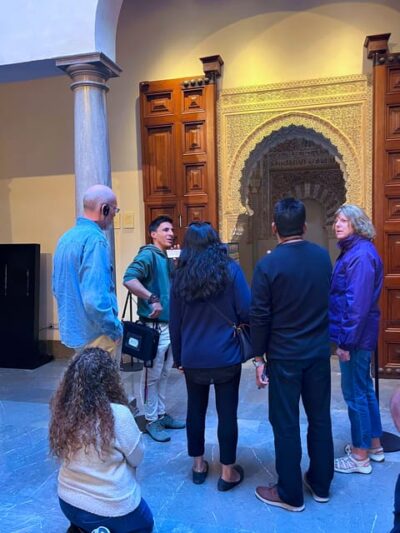
Food tours rise or fall on the guide, and this one uses several guides. Katia has been praised for her experience running a restaurant in Granada and for explaining wine, olive oil, food production, and local history. Laura is a Granada local who has been noted for her friendly style, cultural knowledge, and ability to make the route feel relaxed.
Bruce is described as clear, personable, and good at linking the food to Granada’s history. Marcel brings a large personality and a broad interest in Spanish food, politics, and culture. Kate has restaurant-industry experience and can explain regional exports such as olive oil and wine.
Other guides listed in the feedback include Emma and Molly. The consistent strengths are food knowledge, humor, warmth, and willingness to answer questions. The tone is not formal or stiff. You should expect conversation as well as instruction.
That variety also means the exact personality of your tour is not guaranteed. Some guides may focus more on culinary detail, others on history or local customs. All are expected to lead in English, but their style will differ.
I would tell you to ask questions. Why does this ham cost more? How is olive oil graded? What should you order tomorrow? Which local dish is most typical? The small group makes those questions easier to ask, and the answers are often where the tour becomes most useful.
Why the small group matters
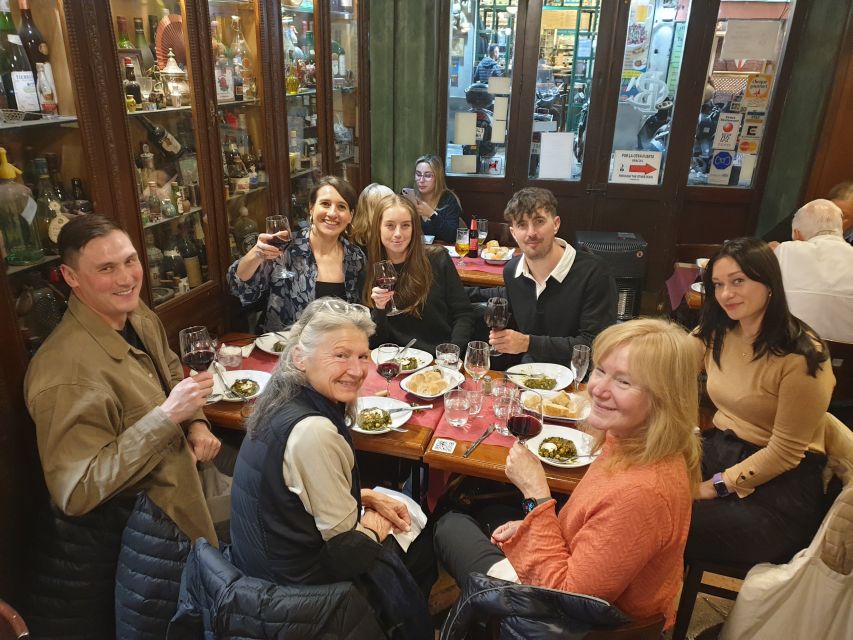
The maximum group size is 10. That is small enough for a guide to manage restaurant seating and hear questions without turning the evening into a moving crowd.
A small group also matters at food shops and bars. You can see what is being explained, taste at a reasonable pace, and talk with people around you. The social side is part of the fun, especially when the group includes people from several countries.
The group size will not guarantee a private experience. You may still have to wait briefly between stops, and a full group can make conversation uneven. But it is a better setup than a large coach-style food outing, especially in narrow central streets and compact restaurants.
Some departures may have only a few people. That can lead to a more personal conversation with the guide, while a full group can bring more energy. Either way, the 10-person limit keeps the format manageable.
What the $82 price really buys
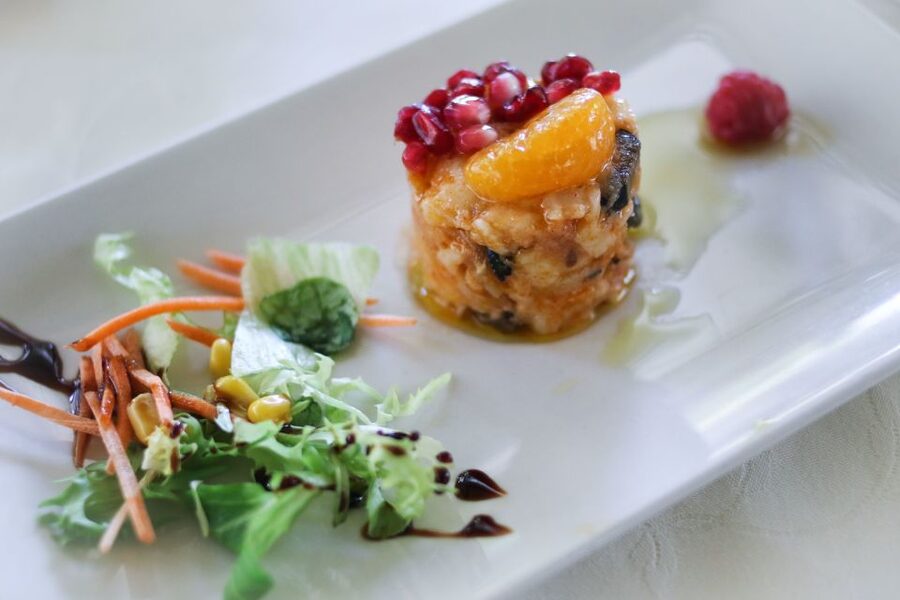
At $82 per person, this is not the cheapest way to eat in Granada. You can order tapas on your own for less, especially if you stick to simple dishes and modest drinks.
The price looks fair when you count what is included: food and drinks sufficient for a full lunch or dinner, an English-speaking food guide, tastings at several types of businesses, and the time spent explaining the region’s food culture. You are also paying for a planned sequence rather than making several uncertain choices in a city you may not know yet.
The value is strongest if you use the advice afterward. Write down the names of dishes, shops, and restaurants. Return to a favorite bar the next day, buy olive oil from the specialty shop, or use the guide’s recommendations for a later meal.
The value is weaker if you are a very light eater, avoid alcohol and do not want substitute tastings, or prefer to choose every restaurant yourself. The tour includes additional drinks only at your own cost, and the exact dishes can change.
One useful money-saving point: because the included food is substantial, schedule the tour in place of a meal. Do not eat a large lunch beforehand and then judge the value by how full you feel.
Timing, dietary needs, and comfort
The tour lasts 3.5 hours. Wear comfortable shoes, since you will walk between food stops and spend time standing in shops and taverns. The experience is not suitable for wheelchair users, so anyone needing step-free access should choose another option.
Tell the operator about dietary requirements when booking. This is important because the route may include ham, pork, cheese, wine, and other ingredients. The supplied information does not promise that every restriction can be accommodated, so ask before reserving if your needs are serious or complex.
Saturday evening departures exclude the Iberian ham tasting. If that comparison is a main reason for booking, choose another day or time if available.
The tour runs in English, and availability depends on the selected starting time. Cancellation is free up to 24 hours before the activity, with a full refund, and you can reserve now and pay later. Those policies help if your Granada plans are still shifting, but they do not change the need to arrive on time.
Who will enjoy this Granada food walk?
I would choose this tour early in a Granada visit. It gives you an orientation to the central area, introduces dishes you may want to order later, and provides restaurant advice while you still have meals ahead of you.
It suits people who like food with a story. You will get more from it if you care about curing methods, regional wine, olive oil production, old taverns, and the cultures that shaped Andalusian cooking.
It also works for families, provided everyone can manage the walking and the adult-focused food and drink stops. Children may not care about wine, but the ham, sweets, shops, olive oil, and restaurant dishes offer other points of interest.
Couples and solo visitors should find the small group easy to join. People who dislike group activities may still find the food stops more relaxed than a conventional sightseeing tour, but it remains a shared outing with a set route.
I would skip it if you need full accessibility, want a tightly fixed menu, or prefer a self-guided tapas night. I would also avoid booking it on your final evening if you want time to act on the guide’s restaurant suggestions.
Should you book it?
Book this Granada walking food tour if you want a filling, social introduction to local food rather than a string of tiny samples. The strongest reasons are the small group, generous meal-sized tastings, regional ham and wine lessons, olive oil and specialty-shop visits, and the chance to eat at Chikito.
The tour’s most praised qualities are the guides’ food and history knowledge, their relaxed humor, and their ability to lead you to places you might not choose on your own. Katia, Laura, Bruce, Marcel, Kate, Emma, and Molly each bring a different style, so expect a personable guide but not a perfectly identical performance every time.
At $82, it is a sensible buy when you count the included meal and drinks. Schedule it near the start of your stay, arrive early at Teatro Isabel La Catholica, mention dietary needs in advance, and save room for the food.
FAQ
How long is the Granada walking food tour?
The tour lasts 3.5 hours.
How much does the tour cost?
The listed price is $82 per person.
What food and drinks are included?
Food and drinks sufficient for a full lunch or dinner are included. Tastings can include local ham, cheese, tapas, regional dishes, wine, tinto de verano, vermouth, olive oil, and sweets, depending on the route and menu.
Is the tour conducted in English?
Yes. The tour includes an English-speaking guide.
How many people can join the tour?
The maximum group size is 10 participants.
Where does the tour meet?
The meeting point is the kiosk at Teatro Isabel La Catholica, on the Casino sidewalk near Puerta Real.
How early should I arrive?
Arrive five minutes before the scheduled start. The operator cannot wait more than 15 minutes after the starting time.
Is the Iberian ham tasting offered on Saturday evenings?
No. Iberian ham tasting is not included on Saturday evening departures.
Can I cancel the booking?
Yes. You can cancel up to 24 hours in advance for a full refund. You can also reserve now and pay later.
More Walking Tours in Granada
- Granada: Albaicín and Sacromonte Guided Sunset Walking Tour
★ 4.9 · 2,962 reviews - Guided Walking Tour of the Alhambra in Granada
★ 4.0 · 863 reviews - Granada: Albaicín and Sacromonte 2.5-Hour Walking Tour
★ 4.7 · 777 reviews - Granada: Albaicín and Sacromonte Walking Tour
★ 4.5 · 665 reviews
Just added around Granada
- Granada: Authentic and intimate Flamenco Show with Snacks★ 4.2 · 9 reviews
- Water paths. Private adventure and history tour★ 5.0 · 6 reviews
- Flamenco Show in the Caves of Sacromonte★ 4.5 · 26 reviews
- From Granada: Day Trip to Trevélez with Ham Factory★ 4.6 · 12 reviews
- Guided tour Granada Unexplained★ 5.0 · 5 reviews
- Albaicín and Sacromonte Sunset tour + Flamenco show★ 5.0 · 11 reviews
- Albaicin guided tour with dogs★ 5.0 · 6 reviews
- Guided tour Conspiracy in the Albaicín★ 5.0 · 6 reviews
Granada Food Tours, compared.

The Granada Evening Tapas Crawl by Food Lover Tour
Read our review →
Tapas&Tours with Leo – Tasting Culture and History
Read our review →
Granada in EVOO: Olive grove guided tour and sensory tasting
Read our review →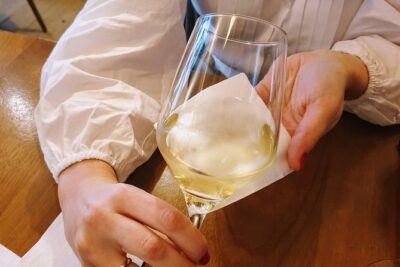
True Taste of Granada Old Town & Albaicin Tapas Tour
Read our review →
Granada in EVOO: Guided tour and unique sensorial tasting
Read our review →Browse the lists this tour appears in